
Introduction
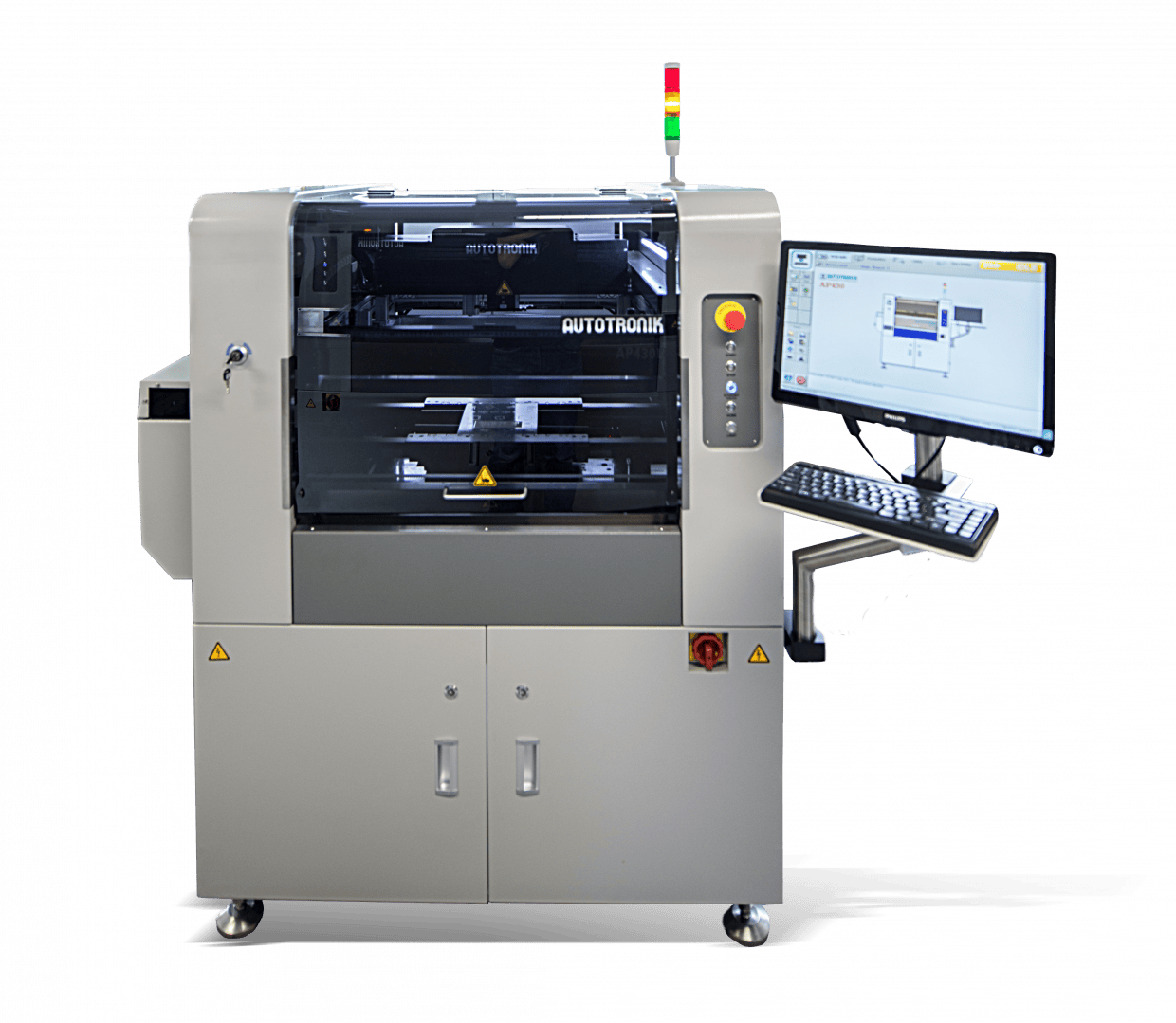
In electronics manufacturing, precision and consistency are essential for producing high-quality Printed Circuit Boards (PCBs). One of the most critical pieces of equipment in the SMT assembly process is the Screen Printing Machine. Selecting the right screen printer can significantly impact production efficiency, product quality, and manufacturing costs.
Overview
A screen printing machine applies solder paste onto PCB pads through a stencil before component placement. Accurate solder paste deposition ensures reliable solder joints, minimizes defects, and improves overall assembly quality. As PCB designs become more compact and complex, choosing the right screen printer has become increasingly important.
Key Factors to Consider
Printing Accuracy
Look for machines with advanced vision alignment systems that ensure precise solder paste placement on every PCB.
Production Speed
Choose a printer that matches your production volume requirements while maintaining consistent print quality.
PCB Compatibility
Ensure the machine supports the board sizes and thicknesses used in your manufacturing process.
Ease of Operation
User-friendly software and automated setup features help reduce training time and improve productivity.
Inspection and Quality Control
Modern printers often include inspection capabilities that help detect printing errors before assembly.
Benefits of Choosing the Right Machine
Improved Product Quality
Accurate printing reduces solder defects and improves PCB reliability.
Increased Production Efficiency
Automated systems support faster production cycles and higher throughput.
Reduced Material Waste
Optimized solder paste usage lowers operating costs and improves process control.
Long-Term Cost Savings
Reliable equipment minimizes downtime, maintenance costs, and production errors.
Industrial Applications
Consumer Electronics Manufacturing
Automotive Electronics
Medical Device Production
Telecommunications Equipment
Industrial Automation Systems
Buying Guide
When selecting a screen printing machine, evaluate printing accuracy, cycle time, stencil handling, software features, maintenance requirements, and after-sales support. Investing in a scalable solution helps meet both current and future production demands.
Maintenance Tips
Regular stencil cleaning, vision system calibration, solder paste management, and preventive maintenance help ensure consistent performance and extend machine life.
Industry Trends
Modern screen printing machines are incorporating AI-powered process optimization, real-time monitoring, smart inspection systems, and Industry 4.0 connectivity. These advancements improve quality control and manufacturing efficiency.
Frequently Asked Questions
Why is screen printing important in PCB assembly?
It ensures accurate solder paste deposition, which directly affects solder joint quality and PCB reliability.
What should I prioritize when choosing a screen printer?
Printing accuracy, production speed, PCB compatibility, and ease of maintenance are key considerations.
Which industries use SMT screen printers?
Electronics, automotive, medical, telecommunications, and industrial automation sectors rely on SMT screen printing technology.
Conclusion