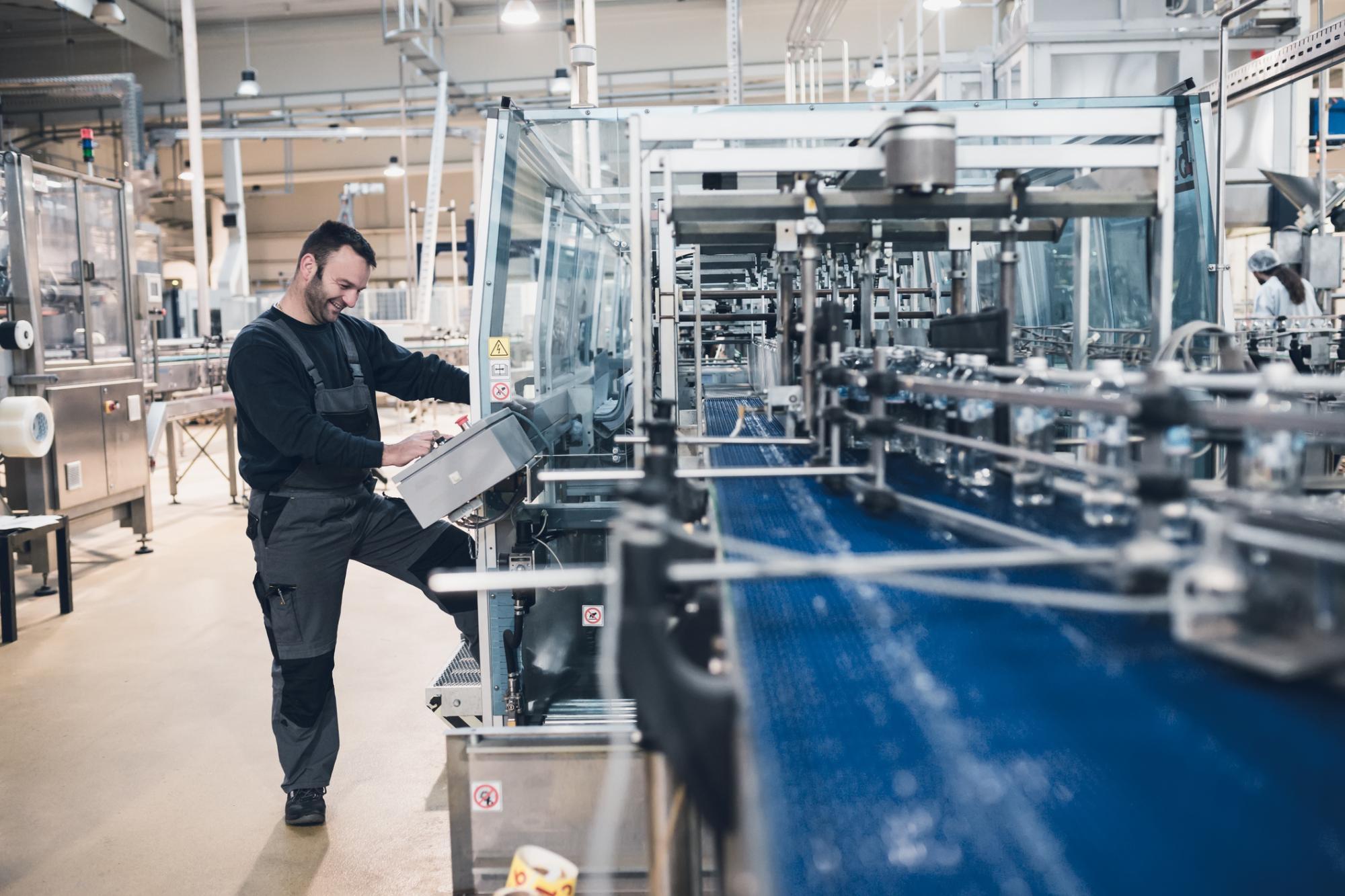
In the relentless pace of modern manufacturing and industrial automation, packaging operations are often the final critical bottleneck before products reach the market. Any disruption in this phase can lead to significant production losses, missed deadlines, and damaged brand reputation. Proactively stocking essential packaging machine spare parts is not merely a recommendation; it is a strategic imperative for ensuring continuous operation, optimizing efficiency, and safeguarding the overall health of your production line in an Industry 4.0 landscape.
Overview
Packaging machine spare parts encompass a wide array of components vital for the uninterrupted function of various packaging machinery, including form-fill-seal machines, cappers, labelers, cartoners, palletizers, and wrappers. These parts range from routine consumables like belts, seals, and cutting blades to critical electromechanical components such as sensors, motors, PLCs, and pneumatic cylinders. They function by replacing worn, damaged, or expired elements within the machinery, restoring it to optimal operational parameters. The importance of readily available spare parts cannot be overstated; they are the bedrock of preventive and reactive maintenance strategies, directly influencing machine uptime and overall equipment effectiveness (OEE). Packaging machinery is ubiquitous across virtually all manufacturing sectors where products are prepared for distribution and sale, from delicate electronics packaging to robust food and beverage industrial applications.
Key Factors to Consider
1. Criticality Assessment and Failure Rate
Understanding which parts are most susceptible to wear and tear, and which failures would cause the most significant downtime, is crucial. Factories should conduct a comprehensive criticality assessment, categorizing spare parts by their impact on production and historical failure rates. This data-driven approach ensures that high-impact, frequently failing components are always in stock.
2. Lead Time and Supplier Reliability
The time required to source a specific spare part can range from hours to several weeks. Evaluating the lead time from various suppliers and establishing relationships with reliable vendors is essential. Prioritizing parts with long lead times for immediate stocking mitigates risks associated with extended machine downtime.
3. OEM vs. Compatible Parts
Deciding between Original Equipment Manufacturer (OEM) parts and high-quality compatible alternatives involves weighing factors like cost, warranty implications, performance guarantees, and fit. While OEM parts often ensure perfect compatibility and preserve warranty, certified compatible parts can offer cost savings without compromising reliability, provided they meet strict quality standards.
4. Inventory Management and Storage
Effective inventory management is paramount. This includes implementing robust inventory tracking systems (e.g., CMMS), optimizing storage conditions to prevent degradation of parts (especially sensitive electronic or rubber components), and conducting regular audits. The goal is to minimize carrying costs while maximizing availability.
5. Technological Obsolescence
As packaging machinery evolves with advancements in automation and control systems, older components can become obsolete, making replacement parts harder to source. Factories must plan for potential obsolescence by stocking critical, proprietary parts for older machines or budgeting for timely equipment upgrades when necessary.
Benefits
Enhanced Production Uptime
Readily available spare parts significantly reduce mean time to repair (MTTR), allowing for quick component replacement and minimizing costly production stoppages. This directly translates to higher output and consistent operational flow.
Reduced Operational Costs
By preventing catastrophic failures and enabling timely repairs, stocking spare parts avoids expedited shipping fees for emergency orders and eliminates the substantial financial penalties associated with missed production targets and disrupted supply chains.
Improved Product Quality and Consistency
Worn-out or faulty packaging machine components can lead to inconsistencies in packaging, affecting product presentation, seal integrity, and overall quality. Prompt replacement ensures that packaging standards are consistently met, protecting brand reputation.
Extended Machine Lifespan
Regular maintenance and the timely replacement of aging or failing parts prevent minor issues from escalating into major system failures. This proactive approach extends the operational lifespan of expensive packaging machinery, maximizing return on investment.
Industrial Applications
Electronics Manufacturing & PCB Assembly
Food & Beverage Production
Pharmaceuticals & Medical Devices
Automotive Parts & Components
Consumer Goods & E-commerce Fulfillment
Buying Guide
Before investing in packaging machine spare parts, buyers should meticulously evaluate several factors: the current condition of their machinery, ensuring specifications align perfectly with required components, and understanding the warranty terms offered. Crucially, assessing the supplier's reputation for reliability and post-sale support is vital. Always confirm the availability of genuine or high-quality compatible spare parts and verify their compatibility with your existing equipment to prevent costly errors and downtime.
Maintenance Tips
Effective maintenance of packaging machinery, supported by a well-stocked inventory of spare parts, relies on a robust strategy. Implement a preventive maintenance schedule that includes regular cleaning, precise lubrication of moving parts, and detailed inspections for wear or potential failure points. Calibration of sensors and actuators ensures accuracy, while continuous operator training on basic troubleshooting and part replacement empowers frontline staff to address minor issues promptly, reducing reliance on external technicians and improving overall OEE.
Industry Trends
The landscape of packaging machinery spare parts is increasingly shaped by Industry 4.0 paradigms. AI-driven predictive maintenance systems, integrated with IoT sensors on machines, are revolutionizing how spare parts are managed by forecasting component failures before they occur, allowing for just-in-time ordering. Smart manufacturing principles emphasize automated inventory management and digital twins for virtual testing of part replacements. The drive towards greater automation and sustainability also influences parts design, focusing on modularity, energy efficiency, and durable materials, all contributing to longer part lifespans and optimized spare parts inventory.
Frequently Asked Questions
Why is stocking spare parts more cost-effective than just-in-time ordering?
While just-in-time (JIT) ordering aims to reduce inventory holding costs, it introduces significant risks in the context of critical packaging machinery. Unexpected part failures can lead to costly unscheduled downtime, expedited shipping fees for emergency parts, and potential penalties for missed production targets. Stocking essential spare parts minimizes these reactive costs, ensures continuous operation, and provides a much higher return on investment by safeguarding productivity.
How can factories determine which spare parts are truly essential to stock?
Determining essential spare parts involves a multi-faceted approach. Factories should analyze historical maintenance records for frequently replaced components, consult OEM recommendations for critical wear parts, and conduct a risk assessment to identify components whose failure would cause significant downtime or safety hazards. Prioritizing parts with long lead times and high failure rates is key, alongside considering the cost-benefit of stocking versus the cost of downtime.
Are third-party compatible spare parts a viable alternative to OEM parts?
Yes, high-quality third-party compatible spare parts can be a viable and cost-effective alternative to OEM parts, provided they meet rigorous quality standards and specifications. It is crucial to source these parts from reputable suppliers who offer guarantees and demonstrate proven performance. While OEM parts ensure exact fit and often maintain warranties, carefully selected compatible parts can offer significant cost savings without compromising machine performance or reliability, especially for non-critical components.
Conclusion