
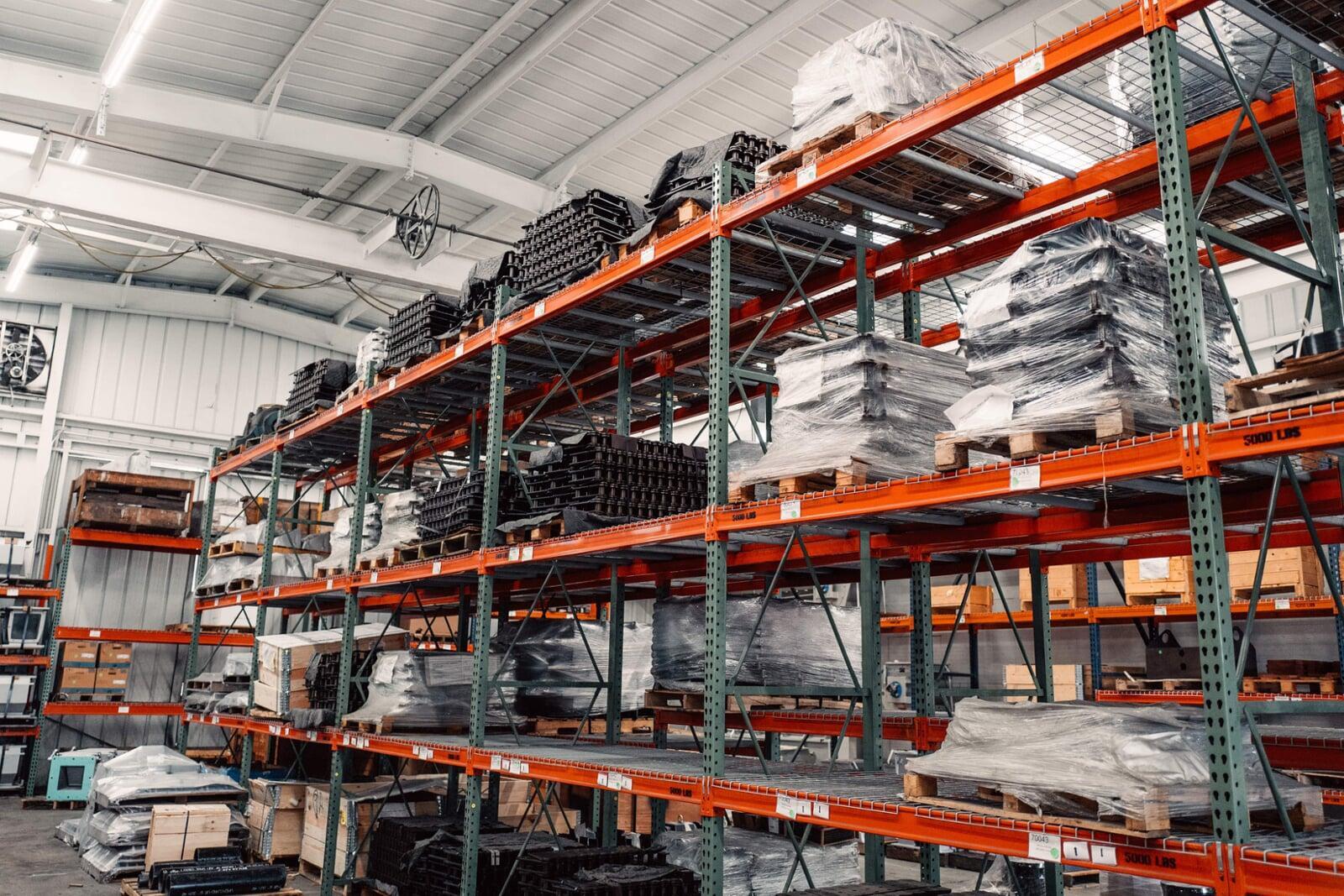
Introduction
In modern manufacturing industries, production efficiency is one of the most important factors for operational success. In 2026, factories worldwide are focusing not only on advanced machinery and automation systems but also on maintaining reliable industrial spare parts inventory to ensure smooth production operations.
Industrial spare parts play a major role in:
- Reducing Machine Downtime
- Improving Production Efficiency
- Supporting Smart Manufacturing
- Maintaining Automation Systems
- Increasing Machine Reliability
From industrial robots and CNC machines to packaging equipment and semiconductor systems, spare parts are essential for keeping factories running efficiently.
What Are Industrial Spare Parts?
Industrial spare parts are replacement components used to maintain, repair, or upgrade industrial machinery and automation systems.
These parts include:
- Bearings
- Motors
- Drives
- PLC Components
- Industrial Sensors
- Hydraulic Systems
- Pneumatic Components
- Conveyor Parts
- Electrical Components
- Robotic Spare Parts
Industries use spare parts to avoid production interruptions and maintain operational stability.
Why Industrial Spare Parts Are Important for Production Efficiency
1. Reducing Machine Downtime
Unexpected equipment failure can lead to serious production delays and financial losses.
Having the right spare parts available helps industries:
In smart factories, even a few hours of downtime can impact production schedules significantly.
2. Improving Machine Performance
Machines operating continuously in industrial environments experience wear and tear over time.
Replacing damaged or worn-out components helps maintain:
- Stable Production Speed
- Better Machine Accuracy
- Reduced Operational Errors
- Consistent Product Quality
This directly improves overall manufacturing productivity.
3. Supporting Preventive Maintenance
Preventive maintenance is becoming one of the biggest industrial trends in 2026.
Industries now focus on replacing critical machine components before breakdowns occur.
Benefits include:
Modern factories increasingly use predictive maintenance systems integrated with spare parts management.
Industrial Automation and Spare Parts
Modern automation systems depend heavily on reliable spare components.
Automation spare parts include:
- PLC Systems
- Servo Drives
- HMI Displays
- Sensors & Controllers
- Industrial Robot Components
- Electrical Modules
These components are essential for maintaining smart manufacturing and Industry 4.0 operations.
Without reliable spare parts availability, automated production systems may experience costly disruptions.
Spare Parts and Industry 4.0 Manufacturing
Industry 4.0 is transforming factory maintenance through:
- AI-Based Monitoring
- Predictive Maintenance
- Industrial IoT (IIoT)
- Real-Time Machine Analytics
- Smart Inventory Tracking
Modern factories now use connected systems to monitor machine health and spare parts requirements in real time.
This improves operational efficiency and reduces maintenance risks.
Major Types of Industrial Spare Parts
Mechanical Spare Parts
Includes:
- Bearings
- Shafts
- Belts
- Couplings
- Gears
- Hydraulic Components
Electrical Spare Parts
Includes:
- Relays
- Switches
- Circuit Breakers
- Power Supplies
- Electrical Panels
Automation Spare Parts
Includes:
- PLC Modules
- Servo Motors
- HMIs
- Industrial Sensors
- Drives & Controllers
Robotic Spare Parts
Includes:
- Robot Arms
- Servo Systems
- Grippers
- Control Units
- Robotic Sensors
Industries Depending on Industrial Spare Parts
Automotive Industry
Robotic production lines and automation systems.
Semiconductor Industry
Precision manufacturing equipment and cleanroom systems.
Packaging Industry
Packaging lines, conveyors, and filling systems.
Electronics Manufacturing
PCB assembly systems and SMT production equipment.
Food Processing Industry
Processing and packaging automation systems.
Warehouse & Logistics
Conveyor automation and material handling systems.
Benefits of Proper Spare Parts Management
Increased Production Efficiency
Reliable spare parts help maintain continuous manufacturing operations.
Faster Maintenance Operations
Available spare components reduce repair delays.
Lower Operational Costs
Preventive maintenance reduces emergency repair expenses.
Improved Smart Factory Performance
Spare parts support stable automation and Industry 4.0 systems.
Better Machine Reliability
Proper maintenance improves machine lifespan and operational stability.
Future Trends in Spare Parts Management
The future of industrial maintenance will focus on:
Industries are increasingly using intelligent systems to improve production efficiency and maintenance planning.
Section
What are industrial spare parts?
Industrial spare parts are replacement machine components used for maintenance, repair, and industrial equipment operation.
Why are spare parts important in manufacturing?
Spare parts help reduce downtime, improve machine reliability, maintain production efficiency, and support preventive maintenance.
What industries use industrial spare parts?
Automotive, semiconductor, packaging, electronics, logistics, food processing, and automation industries widely use industrial spare parts.
What is predictive maintenance?
Predictive maintenance uses AI and sensors to identify machine issues before equipment failure occurs.
What are automation spare parts?
Automation spare parts include PLC systems, servo motors, drives, sensors, HMIs, and industrial controllers used in smart factory systems.
KeyleerKart and Industrial Spare Parts Solutions
At KeyleerKart, we focus on industrial machinery solutions, automation equipment, and industrial spare parts supporting modern manufacturing and smart factory operations.
Industries today are increasingly focusing on reliable spare parts sourcing to improve productivity and operational efficiency.
Conclusion
Industrial spare parts play a critical role in improving production efficiency, reducing downtime, and supporting smart manufacturing operations.
From automation systems and robotic equipment to packaging machinery and semiconductor production lines, spare parts help industries maintain continuous and efficient manufacturing processes.
As Industry 4.0 continues evolving in 2026, intelligent spare parts management will become even more important for sustainable industrial growth.