
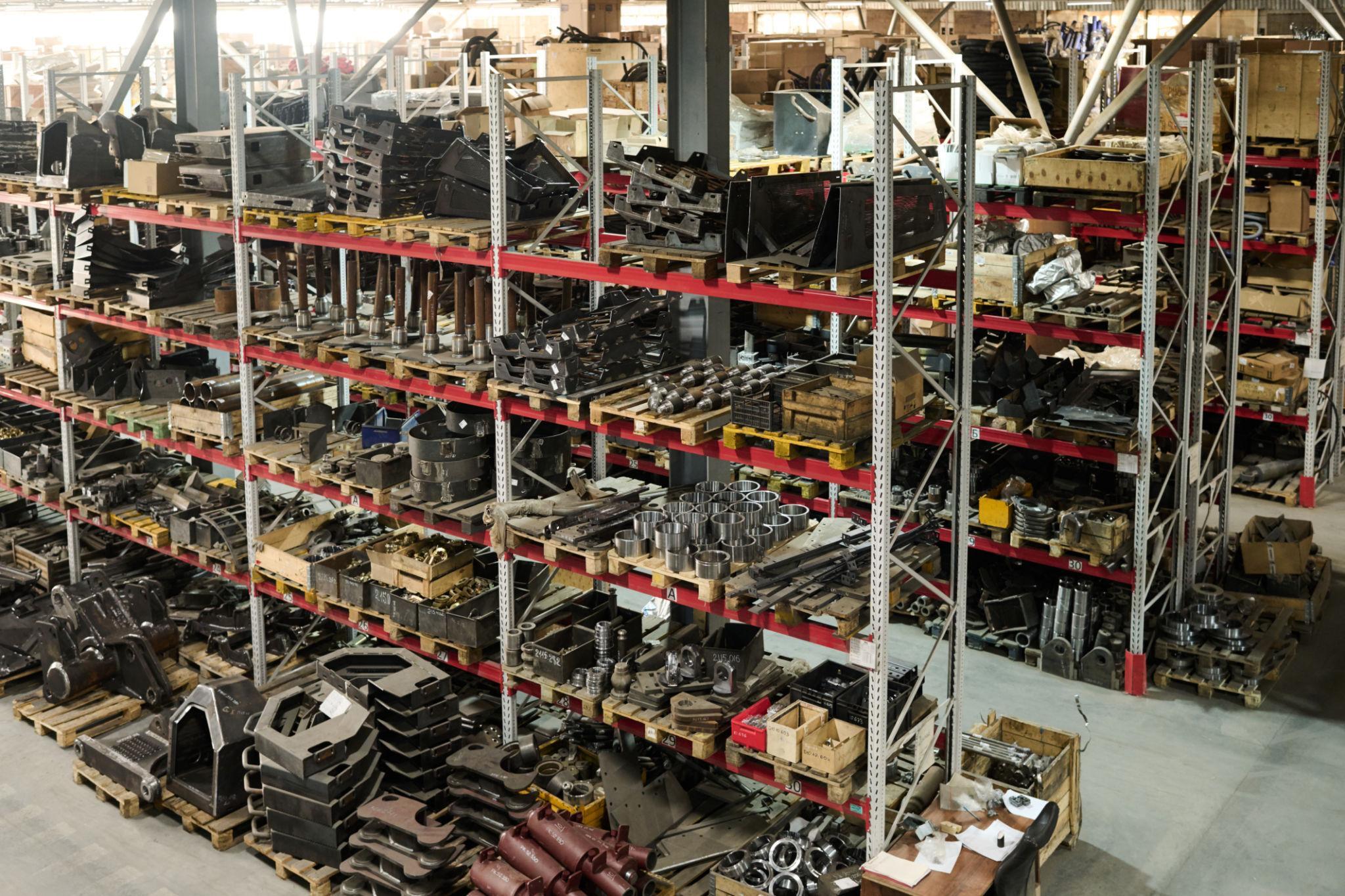
In the high-stakes world of modern manufacturing and industrial automation, unforeseen equipment failures can lead to crippling downtime, significant financial losses, and missed production targets. Stocking essential industrial spare parts is not merely a precautionary measure; it is a critical strategic imperative that ensures operational continuity, optimizes efficiency, and safeguards the entire production ecosystem against disruptive breakdowns.
Overview: The Critical Role of Industrial Spare Parts
Industrial spare parts encompass a vast array of components, ranging from small electronic chips and sensors to larger mechanical assemblies like motors, pumps, valves, and precision tools, all designed to replace worn-out or failed elements within industrial machinery and systems. These parts are integral to the functionality of complex equipment found in SMT lines, robotics cells, CNC machines, semiconductor fabrication plants, and automated assembly lines. When a component fails, the machine ceases to operate, halting production. By having the correct spare part readily available, technicians can quickly swap out the faulty item, minimizing the interruption.
The importance of a well-managed spare parts inventory cannot be overstated. It directly impacts a factory's ability to maintain production schedules, meet customer demands, and protect its investment in high-value machinery. Without a robust spare parts strategy, factories face extended downtime waiting for replacements, potentially leading to costly production backlogs and damaged customer relations. These parts are commonly used across virtually every industrial sector, from automotive manufacturing and aerospace to electronics assembly, food processing, and pharmaceutical production, wherever complex machinery operates.
Key Factors to Consider for Spare Parts Stocking
1. Criticality Assessment
Evaluate each part based on its impact on production. Prioritize stocking components whose failure would lead to immediate, complete line stoppage or pose significant safety risks. This includes parts for bottlenecks, unique machines, or safety-critical systems within SMT, semiconductor, or robotics environments.
2. Lead Time and Availability
Assess the typical procurement lead time for each spare part. Components with long lead times, proprietary designs, or those sourced from international suppliers should be stocked in greater quantities to mitigate delays. This is especially crucial for specialized parts in electronics manufacturing and CNC machinery.
3. Obsolescence Management
Monitor the lifecycle of your machinery and its components. As equipment ages, certain parts may become obsolete or harder to source. Develop a strategy to acquire critical spares before they are discontinued, particularly for legacy SMT or semiconductor equipment that still has a long operational life.
4. Storage and Inventory Management
Implement an organized and climate-controlled storage system for spare parts. Proper inventory management software can track stock levels, usage rates, and reorder points, preventing overstocking or stockouts. This is vital for delicate electronic components and precision mechanical parts.
5. Cost-Benefit Analysis
Balance the cost of stocking a spare part against the potential cost of downtime if that part fails and isn't available. High-cost, low-failure-rate parts might justify a smaller inventory or on-demand purchasing, while inexpensive, high-failure-rate parts warrant higher stock levels.
Benefits of Strategic Industrial Spare Parts Stocking
Enhanced Uptime and Productivity
Readily available spare parts drastically reduce Mean Time To Repair (MTTR) for critical machinery, ensuring higher operational uptime and consistent production output. This directly translates to improved factory productivity and better utilization of expensive assets in electronics manufacturing and automation.
Significant Cost Savings
By preventing extended downtime and avoiding expedited shipping fees for urgent part procurement, a well-managed spare parts inventory leads to substantial cost reductions. It also minimizes losses associated with missed deadlines and contractual penalties.
Improved Equipment Longevity
Regular replacement of worn components with quality spare parts ensures that machinery operates within optimal parameters, reducing strain on other parts and extending the overall service life of expensive industrial assets, including robots and CNC machines.
Enhanced Safety and Compliance
Ensuring critical safety components are always available for replacement helps maintain a safe working environment. It also supports compliance with industry regulations and standards by ensuring equipment operates as designed and validated, particularly important in semiconductor and medical device manufacturing.
Industrial Applications
Electronics Manufacturing and PCB Assembly
Semiconductor Equipment Fabrication
Robotics and Automation Cells
CNC Machining and Metalworking
Automotive Manufacturing and Assembly
Buying Guide for Industrial Spare Parts
When procuring industrial spare parts, buyers must thoroughly evaluate several crucial factors. Prioritize genuine OEM or high-quality aftermarket parts that meet original specifications to ensure optimal machine performance and longevity. Assess the supplier's reputation for reliability, speed of delivery, and technical support. Always confirm the part's compatibility with your existing machinery, review any available warranty, and inquire about their return or exchange policy. A robust spare parts strategy is as much about trusted sourcing as it is about inventory.
Maintenance Tips for Equipment Utilizing Spare Parts
Proactive maintenance is key to maximizing equipment lifespan and reducing unexpected spare part consumption. Implement a rigorous preventive maintenance schedule that includes regular cleaning, lubrication of moving parts, and detailed inspection of wear-prone components. Ensure precise calibration for sensitive instruments, especially in SMT and semiconductor equipment. Finally, invest in comprehensive operator and technician training to ensure proper equipment usage and early detection of potential issues, thereby extending the life of installed parts.
Industry Trends in Spare Parts Management
The landscape of industrial spare parts management is rapidly evolving, driven by Industry 4.0. The integration of AI and IoT sensors into smart manufacturing environments enables predictive maintenance, shifting from reactive repairs to anticipatory part replacement. Digital Twins provide virtual models to test part performance and optimize inventory. Automation and advanced analytics forecast demand with greater accuracy, while sustainability initiatives increasingly push for remanufactured parts and optimized logistics to reduce environmental impact, enhancing efficiency across the supply chain.
Frequently Asked Questions
What is the difference between MRO and spare parts?
MRO (Maintenance, Repair, and Operations) refers to all the supplies and activities involved in keeping a factory running, which includes spare parts, consumables like lubricants, cleaning supplies, and tools. Spare parts specifically are components intended to replace failed units within machinery, while MRO is a broader category encompassing everything needed for operational upkeep beyond direct production materials.
How often should a factory review its spare parts inventory?
A factory should ideally review its spare parts inventory at least quarterly, or semi-annually for less critical operations. This review should include an assessment of usage rates, lead times, critical equipment changes, supplier performance, and potential obsolescence. Regular reviews help optimize stock levels, minimize holding costs, and ensure critical parts are always available.
Can third-party spare parts be as reliable as OEM parts?
While OEM (Original Equipment Manufacturer) parts guarantee compatibility and often come with manufacturer support, high-quality third-party or aftermarket spare parts can be equally reliable and often more cost-effective. The key is to source from reputable suppliers who adhere to strict quality standards and provide verifiable specifications and warranties, especially for critical components in industrial automation.
Conclusion