In the intricate world of modern manufacturing and industrial automation, selecting the right power transmission system is paramount for optimizing operational efficiency, precision, and safety. The fundamental choice between hydraulic and pneumatic components often dictates the performance capabilities and long-term viability of factory machinery, directly impacting productivity in sectors from SMT and robotics to semiconductor equipment and heavy machinery.
Overview: Hydraulic and Pneumatic Fluid Power Systems
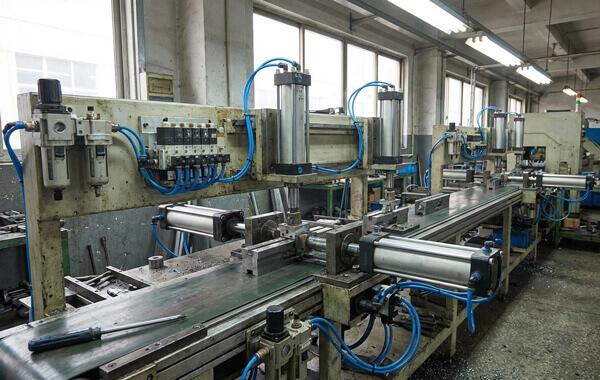
Hydraulic and pneumatic systems are both fluid power technologies, utilizing pressurized fluids to generate motion and force. Hydraulics employ incompressible liquids (typically oil), while pneumatics use compressible gases (most commonly air). Both systems function by converting fluid pressure into mechanical motion, providing precise control over force, speed, and position, which is crucial for achieving high outputs and accurate control in automated processes.
These fluid power systems are indispensable for achieving demanding force outputs, rapid movements, and accurate control in automated manufacturing. They enable the operation of heavy machinery, repetitive tasks in assembly lines, and delicate positioning in precision manufacturing, forming the backbone of efficient industrial operations.
Hydraulics are commonly found in heavy-duty applications like construction equipment, injection molding machines, metal forming presses, and large robotics. Pneumatics excel in faster, lighter-duty tasks such as pick-and-place robotics, packaging machinery, clamping systems, and automated assembly lines within electronics manufacturing, SMT, and food processing.
Key Factors to Consider
Force and Power Density
Hydraulic systems operate at very high pressures with incompressible fluids, delivering significantly greater force and power density from compact actuators. Pneumatic systems, using compressible air, are better suited for lower force applications requiring quicker, lighter actions.
Speed and Precision Control
Pneumatic systems offer faster actuation speeds due to rapid air response and simpler controls. Hydraulic systems, while generally slower, provide superior precision and stiffness, making them ideal for exact positioning and maintaining constant force over time.
Energy Efficiency and Operating Costs
Hydraulic systems can be energy efficient for high-force applications. Pneumatic systems can be less efficient due to air compression energy and leaks, but lower component costs and simpler maintenance can offset this for specific contexts.
Safety and Environmental Impact
Hydraulic systems carry a risk of oil leaks, posing environmental and cleanliness challenges. Pneumatic systems, using air, are inherently cleaner and safer, preferred in industries requiring sterile or uncontaminated conditions like electronics manufacturing.
System Complexity and Maintenance
Hydraulic systems are generally more complex, requiring specialized maintenance for fluid quality and leak prevention. Pneumatic systems are simpler to install and maintain, involving fewer components, contributing to lower complexity and easier troubleshooting.
Benefits of Fluid Power in Manufacturing
Exceptional Force and Power Output
Hydraulic systems deliver immense force from compact components, making them indispensable for heavy lifting, pressing, and material handling in demanding industrial environments where brute strength is required.
High-Speed Operation and Cleanliness
Pneumatic systems offer rapid response times and clean operation, ideal for SMT, electronics assembly, and food processing where speed, repeatability, and avoiding contamination are critical.
Versatility Across Applications
Both systems offer immense versatility; hydraulics excel in high-force, precise applications, and pneumatics dominate high-speed, lighter-duty tasks, allowing tailored solutions to operational needs.
Robustness and Reliability
Fluid power systems are renowned for durability and ability to withstand harsh industrial conditions. With proper design and maintenance, both setups provide reliable, long-term performance crucial for continuous factory operation.
Industrial Applications
Heavy Machinery & Construction: Excavators, loaders, presses (Hydraulic)
Automotive Manufacturing: Assembly lines, welding robots, paint shops (Pneumatic & Hydraulic)
Electronics Manufacturing & SMT: Pick-and-place machines, clamping, soldering (Pneumatic)
Semiconductor Equipment: Wafer handling, cleanroom robotics, precision stages (Pneumatic & Specialized Hydraulic)
Packaging & Material Handling: Conveyor systems, palletizing robots, sorters (Pneumatic)
Buying Guide
When evaluating hydraulic or pneumatic components for your factory, a thorough assessment is crucial. Consider the machine's required specifications, including force, speed, and precision, and ensure compatibility with existing infrastructure. Always prioritize suppliers with a strong reputation for quality and support, inquiring about warranty terms, availability of spare parts, and comprehensive technical assistance to secure a reliable, long-term investment.
Maintenance Tips
Effective maintenance is key to maximizing the lifespan and performance of fluid power systems. Implement a robust preventive maintenance schedule including regular cleaning of filters, lubrication of moving parts, and inspection for leaks or wear. Calibration of sensors and controls, coupled with ongoing operator training, ensures optimal system efficiency, safety, and minimizes unscheduled downtime.
Industry Trends
The fluid power sector is rapidly integrating with Industry 4.0 advancements. Innovations like IoT sensors for real-time data collection, AI-driven predictive maintenance, and digital twins are transforming traditional systems into smart, connected components. This convergence enhances automation, optimizes energy usage, and improves overall factory efficiency, driving towards more sustainable and intelligent manufacturing operations.
Frequently Asked Questions
What factors determine whether hydraulics or pneumatics are more energy efficient?
Energy efficiency largely depends on the specific application. Hydraulics are generally more efficient for high-force, continuous duty cycles due to fluid incompressibility. Pneumatics can be less efficient due to air compression and leaks, but for fast, intermittent, lower-force tasks, their simpler infrastructure often proves more practical and acceptably efficient.
Can hydraulic and pneumatic systems be used together in a single application?
Absolutely, hybrid systems combining both hydraulic and pneumatic components are common in complex industrial automation. This approach leverages the distinct strengths of each – using hydraulics for heavy pressing and pneumatics for rapid clamping or delicate positioning – to achieve optimal performance and efficiency within a machine or entire production line.
How do these systems contribute to precision and quality in electronics manufacturing?
In electronics manufacturing and SMT, pneumatic systems are prized for their speed, cleanliness, and precise control in pick-and-place, clamping, and robotic assembly of delicate components. While hydraulics are less direct due to cleanliness, they are critical in associated machinery like injection molding for component casings, ensuring high-quality, repeatable outcomes through precise force and motion control.
Conclusion
Choosing between hydraulic and pneumatic components is a critical decision that profoundly impacts your factory's efficiency, safety, and long-term operational costs. By carefully evaluating factors like force requirements, speed, precision, and environmental considerations, manufacturers can select the optimal fluid power solution. For expert guidance and a comprehensive range of industrial machinery, automation, SMT equipment, robotics, and semiconductor solutions tailored to your unique needs, contact KeyLeer Kart today.