In the intricate ecosystem of modern manufacturing and industrial automation, the seamless operation of machinery is paramount. Industrial bearings, though often out of sight, are foundational components that enable this smooth functioning, playing a critical role in the efficiency, precision, and longevity of virtually every rotating industrial application. Understanding their nuances is essential for any facility aiming for peak operational excellence.
Overview
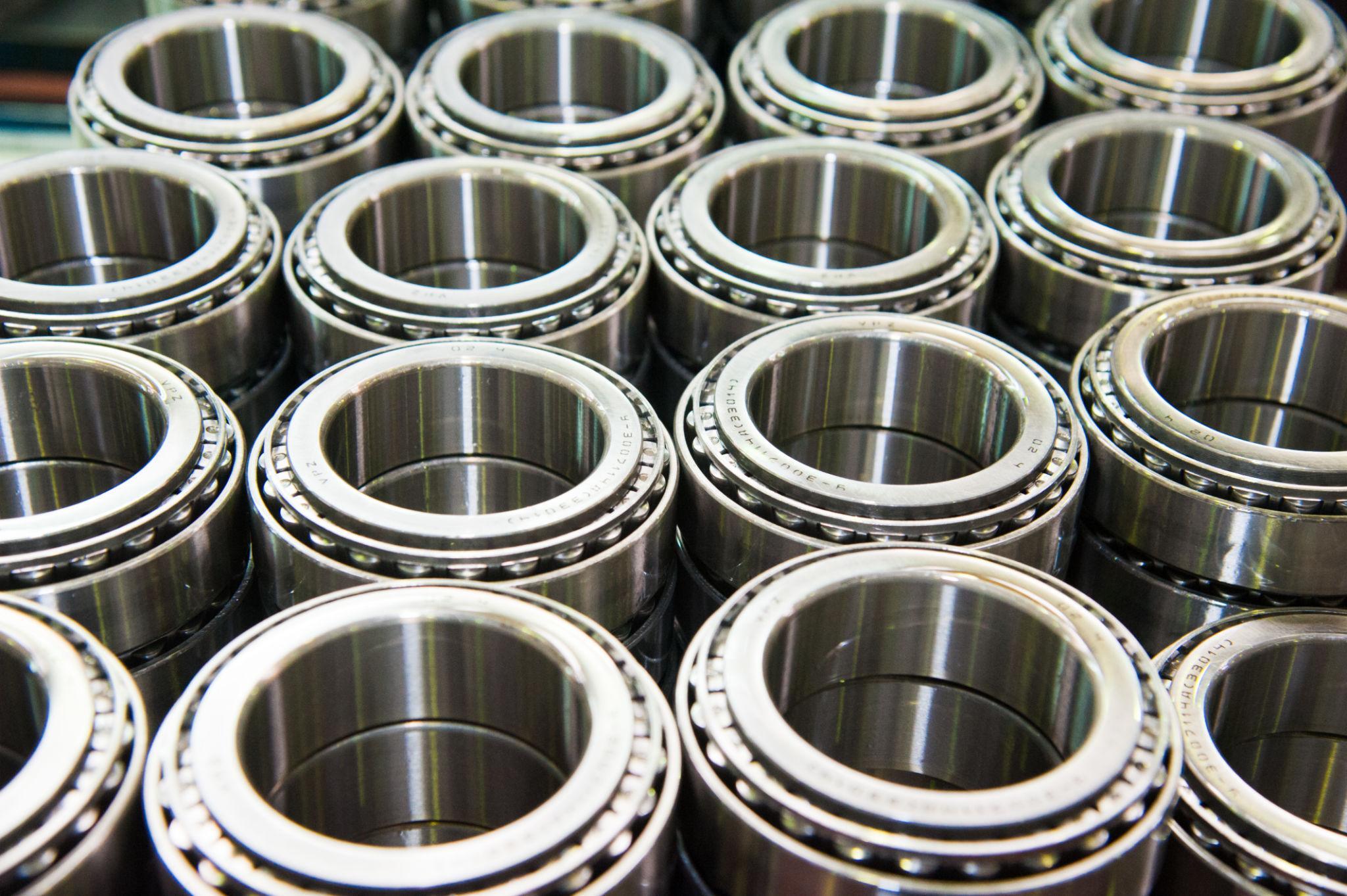
Industrial bearings are mechanical components designed to reduce friction between moving parts, supporting radial, axial, or combined loads while enabling smooth rotational or linear motion. They work by separating two surfaces in relative motion, typically through rolling elements (like balls or rollers) or a fluid film, allowing one part to glide or rotate with minimal resistance against another. This mechanism minimizes energy loss, reduces heat generation, and prevents wear between components. Their importance cannot be overstated; bearings are crucial for the efficiency, precision, durability, and reliability of machinery, directly impacting overall system performance and operational lifespan. Industrial bearings are ubiquitous across manufacturing and processing industries, commonly found in electric motors, pumps, gearboxes, conveyors, automotive assemblies, and high-precision equipment like CNC machinery, robotics, SMT pick-and-place systems, and semiconductor fabrication tools.
Key Factors to Consider / Key Features
1. Load Capacity and Type
Industrial bearings are engineered to handle specific load types—radial (perpendicular to the shaft), axial/thrust (parallel to the shaft), or a combination of both. Correctly matching the bearing's load capacity and type (e.g., deep groove ball bearings for radial, thrust bearings for axial) to the application’s demands is crucial to prevent premature failure and ensure optimal performance.
2. Speed Rating
The maximum rotational speed a bearing can safely operate at without overheating or excessive wear is a critical specification. High-speed applications, common in CNC spindles or high-rpm motors, require bearings designed for superior dynamic performance, often featuring specialized cage designs and lubrication systems to manage heat generation effectively.
3. Precision and Accuracy
For applications demanding extreme positional accuracy and minimal runout, such as robotic joints, semiconductor wafer handling equipment, or precision tooling in electronics manufacturing, bearings with high precision grades are indispensable. These bearings minimize unwanted motion and vibrations, contributing directly to product quality and process repeatability.
4. Operating Environment
The operational environment significantly influences bearing selection. Factors like temperature extremes, the presence of contaminants (dust, moisture, chemicals), vacuum conditions (common in semiconductor processes), and vibration levels necessitate bearings with specific seals, materials, or lubrication, such as stainless steel for corrosion resistance or ceramic bearings for high temperatures and non-magnetic properties.
5. Material and Construction
Bearings are constructed from various materials, including chrome steel, stainless steel, ceramics, and specialized plastics, each offering distinct advantages in terms of strength, corrosion resistance, weight, and electrical insulation. The construction (e.g., open, shielded, sealed, split-race) also dictates protection against contaminants and lubrication retention, impacting maintenance requirements and lifespan.
Benefits
Reduced Friction & Energy Consumption
Industrial bearings significantly minimize friction between moving parts, leading to lower energy consumption and operational costs. This efficiency gain is critical in large-scale manufacturing and automation setups, contributing to overall plant sustainability and reduced carbon footprint.
Improved Machine Performance & Precision
By ensuring smooth and accurate motion, high-quality bearings enhance the performance and precision of industrial machinery. This is particularly vital in fields like SMT, semiconductor manufacturing, and CNC machining, where micron-level accuracy directly impacts product quality and yield.
Extended Equipment Lifespan
Properly selected and maintained bearings absorb loads and reduce wear on other critical machine components. This extends the overall lifespan of industrial equipment, delaying costly replacements and maximizing the return on investment for capital machinery.
Enhanced Operational Reliability
Reliable bearings are synonymous with reliable operations. By preventing unexpected failures and reducing the likelihood of catastrophic breakdowns, they contribute to uninterrupted production schedules, minimizing downtime and maintaining high throughput in demanding manufacturing environments.
Industrial Applications
Robotics & Automation: Precision bearings are crucial in robotic arms, gantry systems, and automated guided vehicles (AGVs) for accurate, fluid, and repetitive movements.
CNC Machinery: High-precision bearings are essential for spindles, ball screws, and linear guides in computer numerical control (CNC) machines, ensuring cutting accuracy and surface finish.
Semiconductor Manufacturing: Specialized cleanroom-compatible and vacuum-rated bearings support wafer handling robots, process chambers, and inspection equipment where contamination is intolerable.
SMT & PCB Assembly: Bearings facilitate rapid and precise motion in pick-and-place machines, conveyor systems, and reflow ovens, critical for high-volume electronics manufacturing.
Electronics Manufacturing: Beyond SMT, bearings are used in automated optical inspection (AOI) systems, depanelizers, and various assembly lines for consumer electronics and industrial controls.
Buying Guide
When procuring industrial bearings, buyers must meticulously evaluate several factors to ensure optimal performance and value. Assess the machine's specific load requirements, speed, and environmental conditions to match bearing specifications accurately. Prioritize suppliers with a strong reputation for quality and reliability. Inquire about the manufacturer's warranty, availability of genuine spare parts, and comprehensive compatibility with existing machinery. A thorough evaluation of these elements guarantees a sound investment that supports long-term operational efficiency.
Maintenance Tips
Effective maintenance is key to maximizing bearing lifespan and machine uptime. Implement a proactive preventive maintenance schedule that includes regular cleaning to remove contaminants, precise lubrication with the correct type and amount of lubricant, and routine inspection for signs of wear, damage, or unusual noise. Calibrate monitoring equipment regularly to ensure accurate readings, and invest in operator training to foster best practices in machine handling and early fault detection.
Industry Trends
The landscape of industrial bearings is evolving rapidly, driven by Industry 4.0 advancements. The integration of AI and IoT sensors into bearings enables smart manufacturing through predictive maintenance, allowing for real-time monitoring of temperature, vibration, and lubricant conditions. This data-driven approach, often supported by digital twins, anticipates failures before they occur, maximizing uptime and optimizing maintenance schedules. Furthermore, there is a growing emphasis on developing sustainable bearing materials and lubrication solutions that reduce environmental impact and extend service life, aligning with global sustainability goals and increasing automation demands.
Frequently Asked Questions
What are the primary types of industrial bearings and their typical uses?
The main types include ball bearings, which handle radial and some axial loads at high speeds; roller bearings (e.g., cylindrical, spherical, tapered), designed for heavier radial and axial loads; and plain bearings, which use a sliding surface with a lubricant for high loads or oscillating movements. Thrust bearings specifically manage axial loads. Each type is selected based on the application's specific load, speed, and precision requirements.
How do industrial bearings contribute to efficiency in industrial automation and robotics?
Industrial bearings are vital for automation and robotics by drastically reducing friction within moving components, which translates to lower energy consumption and reduced wear. They enable the high precision and repeatability required for robotic movements and automated processes, ensuring smooth, accurate, and consistent operation, thereby enhancing throughput, product quality, and overall system efficiency.
What role does predictive maintenance play in extending the life and reliability of industrial bearings?
Predictive maintenance utilizes sensors and data analytics (often incorporating AI and IoT) to monitor bearing health in real-time. By tracking parameters like vibration, temperature, and acoustic emissions, anomalies can be detected early, indicating potential wear or damage. This allows for scheduled maintenance interventions before catastrophic failures occur, extending bearing life, preventing unplanned downtime, and significantly improving operational reliability and cost-effectiveness.
Conclusion