
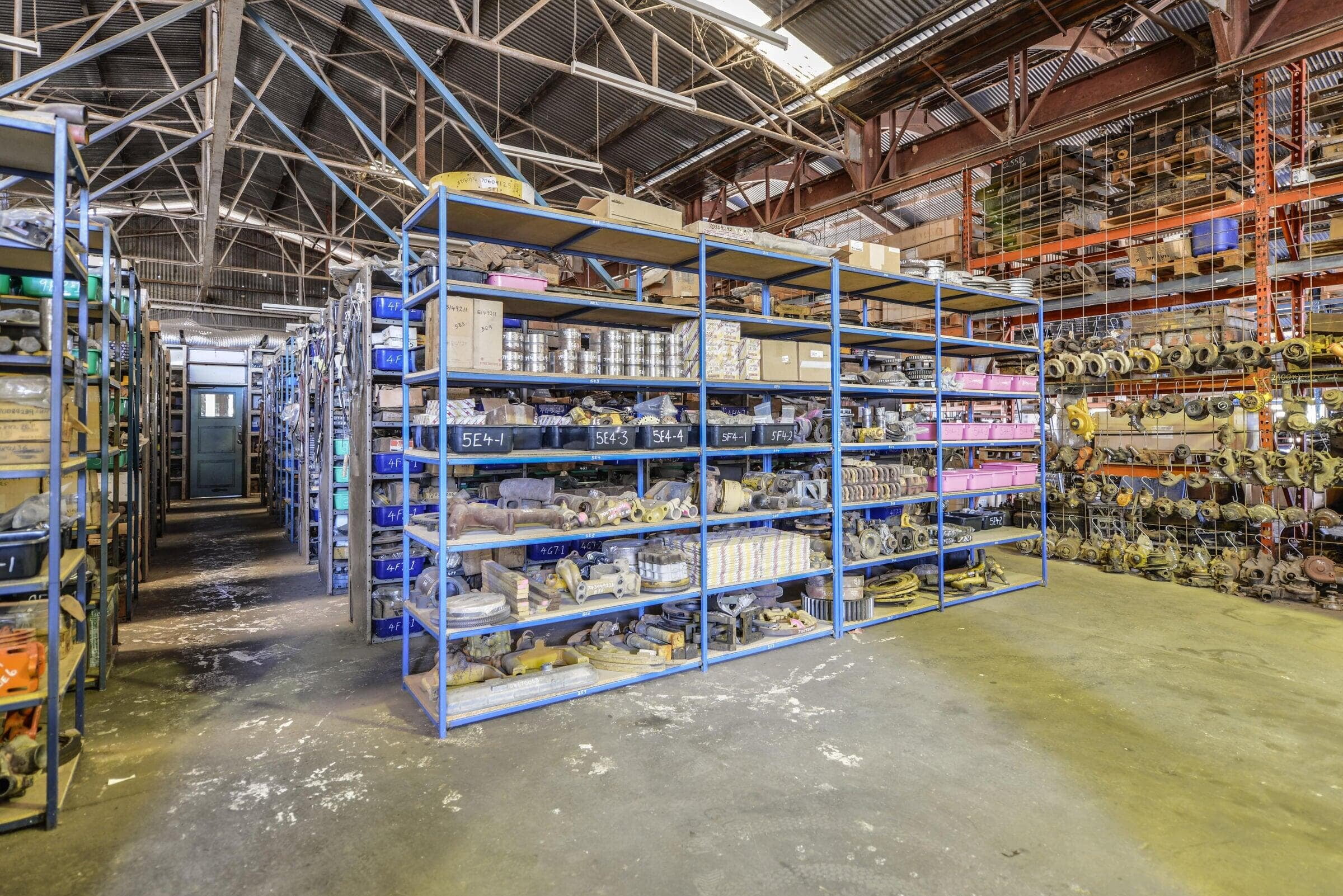
In the high-stakes world of modern manufacturing and industrial automation, equipment uptime is paramount. Strategic industrial spare parts procurement is not merely a logistical task but a critical business function that directly impacts operational continuity, productivity, and profitability across every sector, from SMT lines to semiconductor fabs.
Overview: Strategic Industrial Spare Parts Procurement
Industrial spare parts procurement refers to the systematic process of identifying, acquiring, and managing replacement components, consumables, and critical spares necessary to maintain the functionality and extend the lifespan of machinery and equipment within manufacturing and industrial environments. It works by establishing a robust supply chain, leveraging demand forecasting, and implementing inventory control measures to ensure that the right part is available at the right time, preventing costly downtime. This process is crucial because it safeguards against unexpected equipment failures, minimizes production losses, and protects significant capital investments in machinery. Industrial spare parts procurement is commonly employed across virtually all industrial sectors, including automotive assembly, electronics manufacturing, aerospace, pharmaceuticals, food processing, robotics, and CNC machining operations.
Key Factors to Consider
1. Robust Inventory Management Systems
Implementing advanced inventory management software is crucial for tracking spare parts, monitoring stock levels, automating reorder points, and identifying obsolete items. This prevents overstocking, reduces holding costs, and ensures critical parts are always available.
2. Strategic Supplier Relationship Management
Cultivating strong, collaborative relationships with trusted suppliers is vital. This involves negotiating favorable terms, ensuring quality control, establishing reliable lead times, and potentially developing alternative supply sources for critical components to mitigate risks.
3. Accurate Demand Forecasting and Planning
Utilizing historical data, equipment maintenance schedules, and predictive analytics tools to forecast future spare parts needs significantly improves procurement efficiency. Accurate forecasting minimizes emergency orders and optimizes inventory levels, reducing carrying costs.
4. Standardization and Interchangeability
Prioritizing the standardization of components across different machines or production lines, where feasible, can reduce the variety of spare parts required. This enhances interchangeability, simplifies inventory, and often leads to bulk purchasing discounts and easier maintenance.
5. Emergency Procurement Protocols
Establishing clear, rapid-response protocols for emergency spare parts acquisition is essential. This includes pre-approved vendors, expedited shipping options, and a streamlined internal approval process to minimize downtime during unexpected failures of critical SMT, robotics, or semiconductor equipment.
Benefits
Reduced Downtime & Increased Uptime
Proactive spare parts procurement ensures that necessary components are readily available, drastically cutting down machine downtime and maximizing production uptime, which is critical for meeting output targets in demanding manufacturing environments.
Optimized Inventory Costs
By accurately forecasting demand and employing efficient inventory management, businesses can avoid excessive stock holding, reduce storage costs, and minimize the risk of obsolescence, leading to significant cost savings.
Enhanced Operational Efficiency
A well-managed spare parts supply chain smooths maintenance operations, reduces delays, and allows technicians to address issues promptly, contributing to overall plant efficiency and uninterrupted workflow in complex factory automation setups.
Extended Equipment Lifespan
Having the correct, high-quality spare parts readily accessible for timely repairs and preventive maintenance helps preserve the integrity of industrial machinery, robotics, and semiconductor equipment, extending their operational life and maximizing ROI.
Industrial Applications
Automotive Manufacturing & Assembly
Semiconductor Fabrication & Packaging
Electronics Manufacturing (SMT & PCB Assembly)
Robotics & Advanced Automation Systems
CNC Machining & Metalworking Operations
Buying Guide
Before purchasing industrial spare parts, buyers must thoroughly evaluate several crucial aspects. Assess the machine condition and verify part compatibility with existing specifications. Always confirm warranty terms for new parts and scrutinize the supplier's reputation for reliability and quality. Enquire about the availability of ongoing spare parts support and ensure seamless integration and compatibility with your current industrial automation, SMT, or CNC machinery systems.
Maintenance Tips
Effective maintenance of industrial equipment hinges on a multi-faceted approach. Implement a robust preventive maintenance schedule, conduct regular cleaning to prevent contamination, and ensure proper lubrication of moving parts. Perform routine inspections for wear and tear, calibrate sensors and instruments regularly for accuracy, and invest in continuous operator training to ensure proper usage and early fault detection, thereby extending the life of robotics and semiconductor equipment.
Industry Trends
The landscape of industrial spare parts procurement is rapidly evolving with Industry 4.0. AI and IoT sensors are enabling smart manufacturing and predictive maintenance, allowing for real-time monitoring and forecasting of part failures, minimizing emergency orders. Automation and digital twins further optimize inventory and maintenance scheduling, while sustainability initiatives increasingly focus on circular economy principles, promoting repair, reuse, and remanufacturing of components to reduce waste and enhance resource efficiency.
Frequently Asked Questions
What is the main goal of industrial spare parts procurement?
The primary goal of industrial spare parts procurement is to ensure the continuous operation of machinery and equipment by making critical components available when needed, thereby minimizing downtime, maximizing productivity, and safeguarding production schedules in manufacturing and automation environments.
How does predictive maintenance impact spare parts procurement?
Predictive maintenance significantly transforms spare parts procurement by using data analytics and sensor technology to anticipate equipment failures. This allows procurement teams to order parts precisely when they are needed, reducing the need for large, costly inventories and minimizing emergency orders, optimizing both cost and availability.
Why is supplier relationship management crucial for spare parts?
Supplier relationship management is crucial because it builds trust and reliability, ensuring access to high-quality parts, favorable pricing, and rapid delivery when urgent needs arise. Strong relationships with suppliers for SMT, robotics, or semiconductor equipment components are vital for mitigating supply chain risks and ensuring operational continuity.
Conclusion