
Modern manufacturing and industrial automation depend critically on operational continuity. The ability to quickly and effectively replace worn or damaged components is paramount, making the selection of reliable industrial spare parts suppliers a strategic decision that directly impacts uptime, productivity, and overall profitability.
Overview
This article outlines the critical process of identifying and partnering with dependable industrial spare parts suppliers. It involves a structured approach to evaluating potential vendors, ensuring manufacturers source high-quality, authentic components efficiently. This process is vital for preventing costly downtime, maintaining product quality, and extending equipment lifespan across a wide array of sectors. Industrial spare parts are commonly used wherever machinery operates, including SMT lines, robotics, CNC machining centers, semiconductor fabrication plants, automotive assembly, electronics manufacturing, and general factory automation.
Key Factors to Consider
Authenticity and Quality Assurance
Ensuring spare parts are genuine and meet OEM specifications is crucial. Reliable suppliers provide traceable parts, often with certifications, minimizing the risk of premature failure and potential damage to complex industrial systems.
Extensive Inventory and Availability
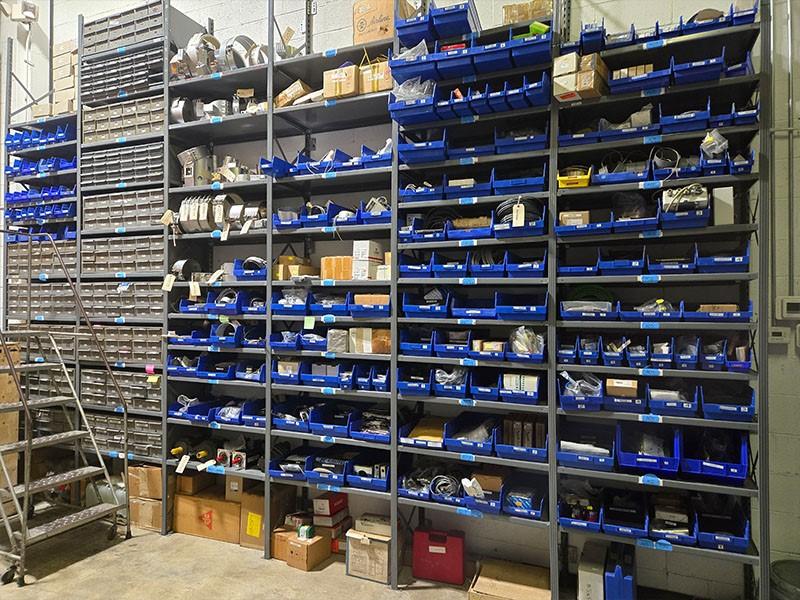
A supplier with a broad and deep inventory of critical spare parts for various industrial equipment ensures quick access. This includes common wear parts, specialized modules, and even obsolete components, significantly reducing lead times and operational interruptions.
Technical Expertise and Support
Beyond supplying parts, a superior vendor offers technical knowledge and support. This includes assistance with part identification, compatibility checks, troubleshooting, and even guidance on installation, adding significant value for complex automation systems.
Responsive Logistics and Delivery
In manufacturing, every minute of downtime costs money. Therefore, a supplier's ability to offer efficient logistics, expedited shipping options, and clear communication regarding delivery timelines is non-negotiable for maintaining operational flow.
Transparent Pricing and Warranty Policies
Reputable suppliers provide clear, competitive pricing without hidden costs. Equally important are robust warranty policies, which demonstrate confidence in their products and offer recourse should a part fail prematurely due to manufacturing defects.
Benefits
Minimized Downtime and Enhanced Productivity
Quick access to high-quality spare parts significantly reduces machine downtime, ensuring production lines remain operational and meet output targets efficiently.
Extended Equipment Lifespan and ROI
Using authentic and reliable spare parts prevents secondary damage to machinery, extends the operational life of industrial assets, and maximizes the return on investment in capital equipment.
Consistent Product Quality and Reliability
Genuine parts maintain the original performance specifications of equipment, leading to consistent product quality, reduced rework, and enhanced manufacturing process reliability.
Optimized Inventory Management and Cost Savings
Partnering with a trusted supplier allows for better predictability in spare parts procurement, potentially reducing the need for excessive on-site inventory and associated carrying costs, while avoiding costly emergency purchases.
Industrial Applications
SMT (Surface Mount Technology) and PCB Assembly
Robotics and Automation Systems
Semiconductor Manufacturing Equipment
CNC Machining and Metalworking
Electronics Manufacturing and Assembly Lines
Buying Guide
Before purchasing industrial equipment or spare parts, buyers must thoroughly evaluate several factors to ensure a sound investment. This includes assessing the machine's current condition, verifying all specifications against operational needs, understanding the scope and terms of the warranty, and meticulously checking the supplier's reputation for reliability and customer service. Furthermore, confirming the availability of long-term spare parts and ensuring seamless compatibility with existing systems are critical for sustained performance and operational efficiency.
Maintenance Tips
Effective maintenance practices are vital for maximizing the lifespan and performance of industrial machinery. Implement a robust preventive maintenance schedule, including regular cleaning to prevent buildup, appropriate lubrication of moving parts, and routine inspection for wear and tear. Calibration of sensitive instruments is crucial for accuracy, while continuous operator training ensures proper machine handling and early detection of potential issues, all contributing to minimized downtime and optimized operational output.
Industry Trends
The landscape of industrial manufacturing is rapidly evolving with Industry 4.0 principles, integrating advanced technologies like Artificial Intelligence (AI) for process optimization, the Internet of Things (IoT) for real-time data collection, and Smart Manufacturing for interconnected operations. Predictive Maintenance, powered by AI and IoT, anticipates failures before they occur, while Automation and Digital Twins simulate and optimize physical assets. Sustainability is also a growing focus, with companies seeking eco-friendly solutions and optimizing resource consumption throughout their supply chains and operations.
Frequently Asked Questions
Q: Why is selecting an authorized spare parts distributor important?
A: Selecting an authorized distributor ensures that you receive genuine, OEM-certified parts. This guarantees compatibility, maintains equipment warranty, and prevents the use of counterfeit components that can lead to costly failures, reduced performance, and safety hazards in complex industrial systems like SMT lines or semiconductor equipment.
Q: How can I verify a spare parts supplier's reliability?
A: To verify a supplier's reliability, look for certifications (e.g., ISO), request customer references, check their track record and industry reputation, and inquire about their quality control processes and warranty terms. A transparent supplier will readily provide documentation and demonstrate their commitment to customer satisfaction and product authenticity.
Q: What impact does spare parts availability have on production?
A: The immediate availability of spare parts directly impacts production uptime. Delays in sourcing critical components can lead to extended downtime, missed production targets, increased labor costs due to idle personnel, and potential loss of revenue. A reliable supplier with a robust inventory minimizes these risks, ensuring continuous operational flow.
Conclusion