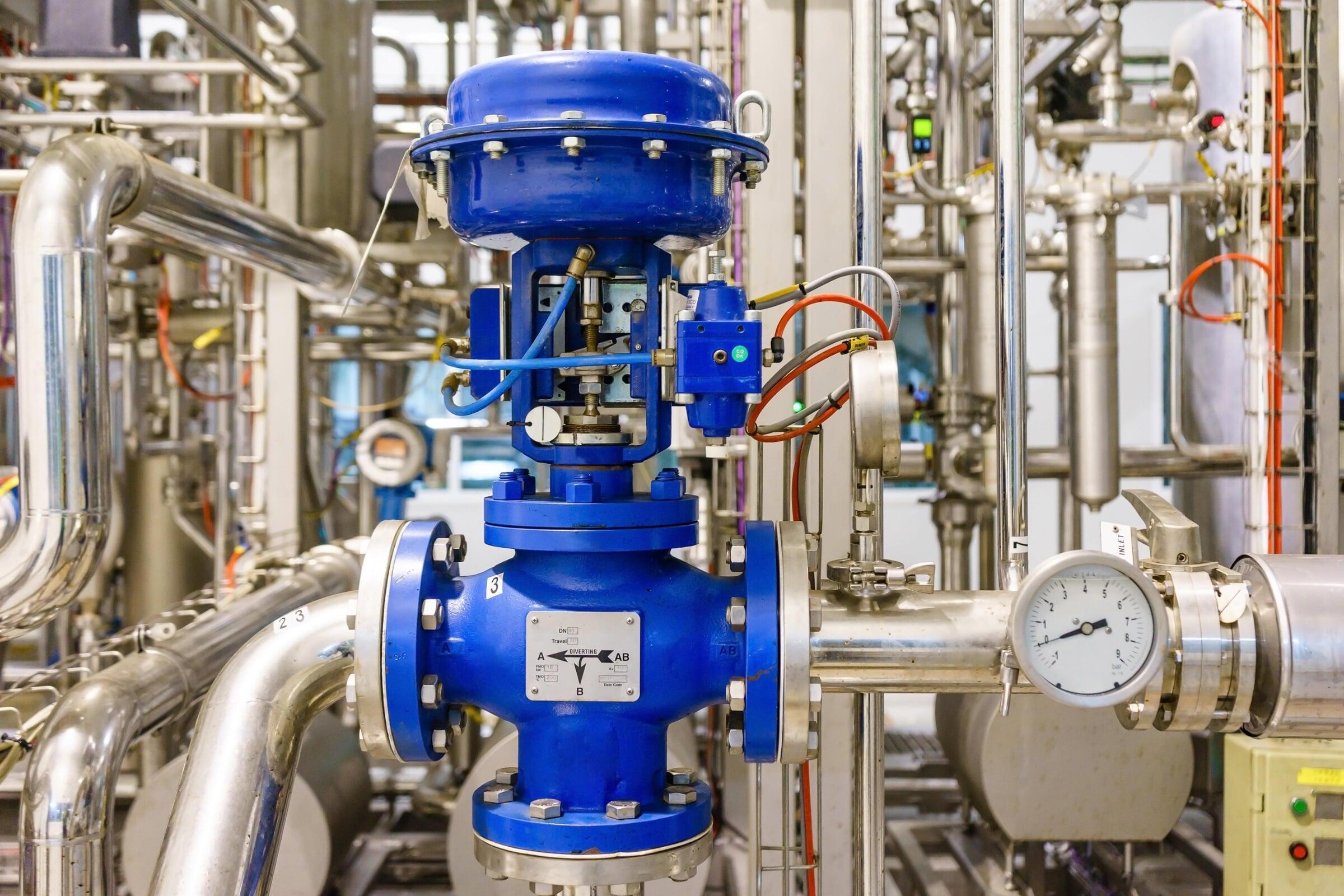
In the intricate world of modern manufacturing and industrial automation, the precise control of fluids is not just important—it's absolutely critical. Industrial valves are the silent workhorses that enable this control, playing an indispensable role in ensuring operational efficiency, safety, and the consistent quality of products across countless sectors.
Overview
Key Factors to Consider
1. Material Compatibility
Selecting the correct valve material is paramount, ensuring resistance to corrosion, erosion, and chemical degradation from the process fluid, as well as handling specific temperature and pressure conditions, thereby guaranteeing longevity and preventing system contamination or failure.
2. Pressure and Temperature Ratings
Valves must be precisely rated to withstand the maximum operating pressure and temperature of the process. Exceeding these limits can lead to catastrophic failures, leaks, and safety hazards, making accurate specification critical for operational integrity.
3. Flow Control Requirements
Understanding whether an application demands simple on/off isolation, precise throttling for flow modulation, or diversion/mixing capabilities is crucial. This dictates the appropriate valve type, such as gate valves for isolation, globe valves for throttling, or ball valves for quick shut-off.
4. Actuation Method
The choice of actuation—manual, pneumatic, electric, or hydraulic—depends on the level of automation required, speed of operation, remote control capabilities, and integration with existing control systems like PLCs and SCADA, significantly impacting operational efficiency and safety protocols.
5. Maintenance and Lifecycle Cost
Evaluating the ease of maintenance, availability of spare parts, and the projected lifespan of the valve is vital. A higher initial investment in a durable, easily maintainable valve can result in significantly lower total cost of ownership through reduced downtime and fewer repair expenses.
Benefits
Enhanced Process Control
Industrial valves provide precise regulation of fluid flow, pressure, and temperature, leading to optimized process parameters, consistent product quality, and improved operational efficiency across manufacturing lines.
Improved Operational Safety
Robust valve designs are critical for containing hazardous materials, preventing leaks, and enabling rapid emergency shutdowns, thereby safeguarding personnel, equipment, and the surrounding environment from potential risks.
Optimized Resource Management
Efficiently controlling the flow of utilities such as water, steam, and compressed air, along with raw materials, significantly reduces waste, conserves resources, and contributes to lower operational costs and a more sustainable manufacturing footprint.
Reduced Downtime and Maintenance
Proper selection, installation, and preventive maintenance of industrial valves minimize unexpected failures, extend equipment lifespan, and reduce the frequency and cost of repairs, ensuring continuous production and higher productivity.
Industrial Applications
Petrochemical and Oil & Gas Refining
Water Treatment and Wastewater Management Plants
Power Generation Facilities (Thermal, Hydroelectric, Nuclear)
Electronics Manufacturing (e.g., Semiconductor cleanrooms for ultra-pure gases and liquids)
Food & Beverage Processing and Pharmaceutical Production
Buying Guide
When procuring industrial valves, buyers must rigorously evaluate the machine condition, detailed technical specifications (pressure, temperature, flow capacity, material composition), available warranty, and the supplier's reputation. Crucially, assess the availability of spare parts and ensure seamless compatibility with existing industrial automation and control systems to avoid integration challenges and maximize operational efficiency.
Maintenance Tips
To ensure optimal performance and longevity, implement a robust preventive maintenance schedule for industrial valves. This includes regular cleaning to prevent buildup, appropriate lubrication of moving parts, periodic inspection for wear and leaks, precise calibration to maintain accuracy, and comprehensive operator training to ensure correct usage and early detection of issues.
Industry Trends
The industrial valve sector is rapidly integrating with Industry 4.0 paradigms, leveraging AI, IoT sensors, and smart manufacturing principles. This includes smart valves with embedded diagnostics for real-time monitoring, predictive maintenance enabled by data analytics, and digital twin technology to simulate valve performance. Automation continues to enhance precision and remote control, while sustainability drives innovation in material science and energy-efficient designs, particularly in high-purity applications for semiconductor manufacturing.
Frequently Asked Questions
What are the primary types of industrial valves used in manufacturing?
The primary types of industrial valves include Ball, Gate, Globe, Butterfly, Check, Plug, and Diaphragm valves. Each type serves specific functions: gate valves for on/off isolation, globe valves for throttling, ball and butterfly valves for quick shut-off, and check valves for preventing backflow, critical across various manufacturing and process control applications.
How does valve actuation influence industrial automation and control systems?
Valve actuation—whether manual, pneumatic, electric, or hydraulic—directly impacts integration with industrial automation and control systems like PLCs and SCADA. Automated actuation allows for precise, repeatable, and remote control of fluid flow, enhancing process efficiency, enabling faster response times, and improving overall operational safety by reducing manual intervention in hazardous environments.
Why is material selection paramount for valve longevity and process integrity?
Material selection for industrial valves is critical because it dictates the valve's resistance to corrosion, erosion, high temperatures, and extreme pressures encountered with various process fluids. Using the correct material ensures valve longevity, prevents leaks, maintains process purity (especially crucial in electronics and pharmaceutical manufacturing), and safeguards against catastrophic failures, directly impacting safety and operational continuity.
Conclusion
Industrial valves are indispensable components in the ecosystem of modern manufacturing and industrial automation, vital for precision control, operational safety, and resource optimization. Understanding their diverse types, applications, and the critical selection factors is key to unlocking efficiency and reliability in any industrial process, from SMT lines to semiconductor fabrication. For expert guidance and a comprehensive range of industrial solutions, including state-of-the-art automation and machinery, we recommend contacting KeyLeer Kart.