
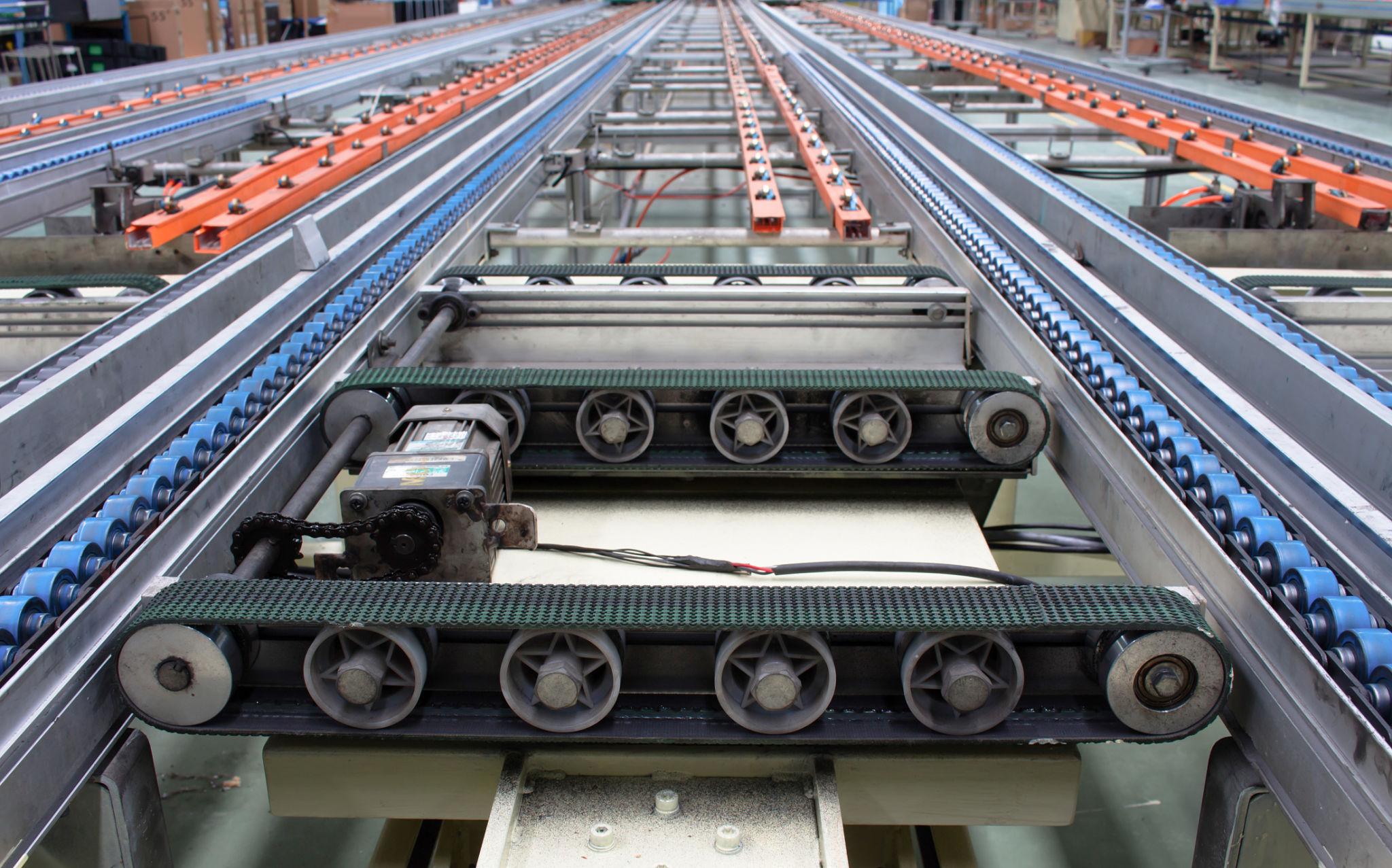
Conveyor systems are the backbone of modern industrial automation, facilitating seamless material flow across diverse manufacturing environments. Ensuring their uninterrupted operation is paramount for maintaining productivity and meeting production targets, making a comprehensive industrial conveyor spare parts checklist an indispensable tool for every facility manager.
Overview
Industrial conveyor systems are mechanical handling systems that transport goods, materials, or products from one point to another within a facility. Their spare parts are components designed for replacement when original parts wear out, break, or fail, ensuring continuous functionality. These can range from simple rollers and belts to complex motors, sensors, and control modules.
A conveyor system operates through a series of interconnected components, often driven by motors, guided by rollers, and supported by frames. When a component like a drive belt degrades or a sensor malfunctions, the entire line can halt. Spare parts function as direct replacements, allowing for rapid repair and minimizing downtime. Effective spare parts management ensures these critical components are readily available.
The availability of the right spare parts is crucial for preventing costly production interruptions. Unplanned downtime due to a single failed component can lead to significant financial losses, missed deadlines, and reduced overall equipment effectiveness (OEE). A well-managed spare parts inventory ensures quick repairs, extends the lifespan of the equipment, and maintains operational efficiency.
Industrial conveyors are ubiquitous across almost every sector of manufacturing and logistics. They are fundamental in electronics manufacturing for PCB assembly, SMT lines, and final product packaging; in semiconductor fabrication for wafer handling; in automotive plants for assembly lines; in food and beverage processing; in logistics and warehousing for sorting and distribution; and in general industrial automation for material handling.
Key Factors to Consider
1. Criticality Assessment
Identifying which spare parts are absolutely essential for maintaining core operational functionality. This involves analyzing failure rates, lead times for procurement, and the impact of component failure on the entire production line. Prioritizing spares for high-impact components is vital to ensure minimal disruption during unforeseen events.
2. Compatibility and Specifications
Ensuring that all spare parts precisely match the original equipment manufacturer (OEM) specifications or are proven, high-quality aftermarket alternatives. This includes considerations for material, dimensions, load capacity, speed ratings, electrical parameters, and environmental tolerances to guarantee seamless integration and optimal performance within existing systems.
3. Inventory Management Strategy
Implementing a robust system for tracking, ordering, and storing spare parts. This involves defining reorder points, safety stock levels, and utilizing inventory management software to prevent stockouts of critical items while avoiding excessive overstocking, which ties up valuable capital and storage space.
4. Supplier Reliability and Lead Times
Establishing relationships with reputable suppliers who can consistently provide genuine or high-quality compatible parts with dependable lead times. Understanding supplier capabilities is crucial, especially for specialized or custom-made components, to mitigate risks associated with supply chain disruptions and ensure timely delivery.
5. Technological Integration and Obsolescence
Keeping abreast of technological advancements in conveyor systems and associated spare parts. This includes planning for the eventual obsolescence of older components and preparing for upgrades or replacements with newer, more efficient, or digitally integrated parts that align with Industry 4.0 initiatives and future operational needs.
Benefits
Minimized Downtime and Enhanced Uptime
Having a readily available stock of critical spare parts allows for immediate replacement of failed components, drastically reducing the duration of unplanned production stoppages and maximizing the operational uptime of industrial conveyor systems.
Extended Equipment Lifespan
Prompt replacement of worn or damaged parts prevents cascading failures and undue stress on other components, thereby preserving the overall integrity of the conveyor system and significantly extending its operational service life, protecting your capital investment.
Improved Operational Efficiency and Throughput
Reliable conveyor performance, facilitated by readily available spares, ensures a consistent flow of materials and products. This prevents bottlenecks, maintains desired production speeds, and contributes directly to higher overall equipment effectiveness (OEE) and increased manufacturing throughput.
Cost Savings and Optimized Budgeting
While an initial investment in spares is required, it significantly mitigates the much higher costs associated with emergency repairs, expedited shipping for urgent parts, and substantial lost production revenue. Strategic spare parts management also allows for better budget forecasting and reduces unexpected capital expenditures.
Industrial Applications
Electronics Manufacturing & PCB Assembly
Semiconductor Fabrication & Packaging
Automotive Production & Assembly Lines
E-commerce & Logistics Warehousing
Food & Beverage Processing
Buying Guide
Before purchasing industrial conveyor spare parts, buyers must thoroughly evaluate several factors. This includes assessing the machine's current condition and the specific specifications required for each part to ensure perfect compatibility. Scrutinize warranty terms for peace of mind and select suppliers with an established reputation for quality and reliability. Crucially, consider the availability and lead times for critical spare parts and verify their exact compatibility with existing conveyor systems to prevent costly integration issues or downtime.
Maintenance Tips
Effective maintenance of industrial conveyor systems is key to longevity and performance. Implement a robust preventive maintenance schedule including regular cleaning to prevent debris buildup, precise lubrication of moving parts to reduce friction, and routine inspection for signs of wear or damage. Where applicable, periodic calibration of sensors and control systems ensures accuracy, and comprehensive operator training empowers staff to identify issues early and perform basic troubleshooting, minimizing the risk of major breakdowns.
Industry Trends
The industrial conveyor sector is rapidly evolving, driven by Industry 4.0 paradigms. Integration of AI and IoT allows for smart manufacturing solutions, enabling predictive maintenance where sensor data forecasts potential component failures before they occur. Automation continues to enhance efficiency, while digital twins provide virtual replicas for optimized planning and troubleshooting. Sustainability is also a growing focus, with demand for energy-efficient components and materials, alongside robust systems designed for extended life and reduced waste.
Frequently Asked Questions
What are the most common wear parts in an industrial conveyor system?
The most common wear parts in an industrial conveyor system typically include belts (fabric, rubber, modular plastic), rollers (carrying, return, impact), bearings, sprockets, chains, idlers, and drive components like motors and gearboxes. Sensors, limit switches, and certain electrical components can also fail due to continuous operation and environmental factors, making their availability as spares critical for system uptime.
How often should I review my conveyor spare parts checklist?
It is recommended to review your industrial conveyor spare parts checklist at least annually, or more frequently if there are significant changes in production volume, conveyor system modifications, or observed increases in component failure rates. Regular reviews help ensure that the inventory aligns with current operational needs, technological updates, and addresses any supplier lead time changes or component obsolescence issues, maintaining proactive readiness.
Can generic spare parts be used instead of OEM parts for conveyors?
While generic or aftermarket spare parts can sometimes offer cost savings, their suitability depends heavily on the component's criticality and the manufacturer's reputation. For non-critical items, high-quality generic parts might be acceptable, but for crucial components like drive motors, precision bearings, or specialized control electronics, OEM parts often guarantee precise fit, performance, and reliability, preventing potential compatibility issues or premature failures that could lead to greater long-term costs.
Conclusion