
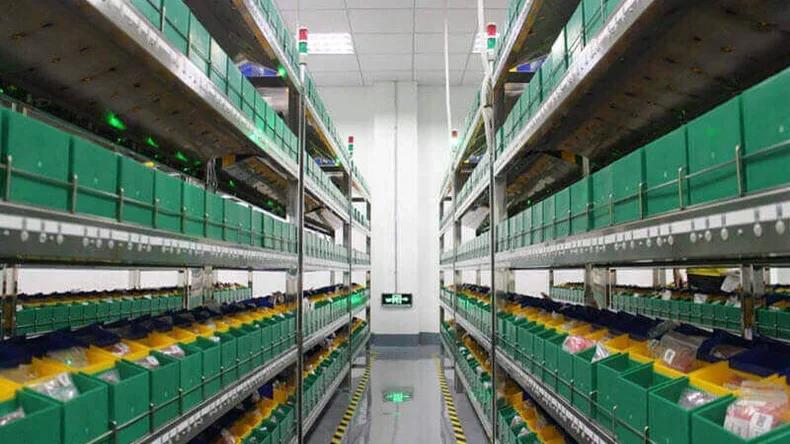
In the high-stakes world of modern manufacturing and industrial automation, equipment downtime is a critical threat to productivity and profitability. The longevity and ready availability of spare parts are paramount. Understanding and implementing proper storage and inventory management for industrial spare parts is not just good practice; it's a strategic imperative that directly impacts operational continuity and competitive advantage across SMT, robotics, semiconductor, and CNC machinery sectors.
Overview
Spare parts, in the context of industrial automation and advanced manufacturing, refer to individual components or sub-assemblies kept on hand for the repair or replacement of machinery. This can range from highly sensitive electronic components for SMT equipment and robotics to robust mechanical parts for CNC machines or specialized modules for semiconductor processing tools.
The management of these parts involves systematic processes for procurement, categorization, secure storage, and timely retrieval. Effective spare parts management ensures that when a critical machine part fails, a suitable replacement is immediately accessible, minimizing the mean time to repair (MTTR).
This system is vital for maintaining production schedules, preventing costly unscheduled downtimes, and extending the operational life of high-value capital equipment. Without a robust spare parts strategy, manufacturing lines risk prolonged stoppages, leading to significant financial losses and missed delivery targets. These practices are commonly employed across all facets of electronics manufacturing, including PCB assembly lines, semiconductor fabrication plants, automotive robotics cells, aerospace CNC facilities, and general industrial automation setups.
Key Factors to Consider
1. Environmental Control and Protection
Many industrial spare parts, especially electronic components, optical modules, or precision mechanical parts, are highly susceptible to environmental factors. Proper storage environments must control temperature, humidity, dust, and vibration. Anti-static (ESD) protection is crucial for sensitive electronics to prevent irreparable damage during storage.
2. Optimized Packaging and Labeling
Each spare part should be stored in its original, protective packaging whenever possible, or in appropriate alternatives like vacuum-sealed bags, desiccant packs, or sturdy containers. Clear and accurate labeling with part numbers, descriptions, shelf life, and storage location is essential for quick identification and retrieval, reducing errors and saving time during critical repairs.
3. Inventory Rotation and Obsolescence Management
Implementing a First-In, First-Out (FIFO) system is vital for parts with a defined shelf life or those prone to obsolescence. Regular reviews of inventory for obsolete or end-of-life (EOL) components are necessary. Proactive planning helps avoid being stuck with unusable parts or facing critical shortages when original parts are no longer manufactured.
4. Digital Inventory Tracking Systems
Advanced inventory management systems (IMS) leverage digital tools to track every spare part. This includes details like purchase date, last inspection date, shelf life, quantity on hand, minimum stock levels, and precise storage location. Such systems significantly improve accuracy, reduce manual errors, and provide real-time visibility into inventory status.
5. Adherence to OEM Recommendations
Original Equipment Manufacturer (OEM) guidelines provide invaluable information regarding the optimal storage conditions, shelf life, and handling procedures for their specific spare parts. Strict adherence to these recommendations ensures parts retain their quality, performance, and warranty validity, preventing premature failure or operational issues.
Benefits
Reduced Equipment Downtime
Properly stored and readily available spare parts enable swift repairs and replacements, drastically cutting down on unplanned downtime in critical manufacturing processes like SMT, semiconductor fabrication, and robotics operations.
Significant Cost Savings
Extending the shelf life of spare parts through correct storage minimizes waste from degradation, reduces the need for urgent, high-cost expedited purchases, and optimizes capital tied up in inventory.
Enhanced Operational Efficiency
An organized and well-managed spare parts inventory streamlines maintenance workflows, improves technician response times, and contributes to smoother production schedules and overall factory efficiency.
Improved Equipment Longevity and Performance
Using parts that have been stored correctly ensures their integrity and performance, contributing to the extended lifespan of expensive industrial machinery and maintaining optimal operational specifications.
Industrial Applications
Electronics Manufacturing & PCB Assembly (SMT Lines)
Semiconductor Fabrication Plants
Industrial Robotics & Automation Systems
CNC Machining Centers
Aerospace & Defense Manufacturing
Buying Guide
Before purchasing industrial spare parts, buyers must thoroughly evaluate several factors to ensure value and operational reliability. Key considerations include the machine condition requiring the part, precise specifications for compatibility, the warranty offered, and the supplier's reputation for quality and authenticity. It's crucial to confirm the availability of necessary spare parts for future maintenance and ensure full compatibility with existing equipment to avoid costly errors and operational delays.
Maintenance Tips
Effective maintenance of industrial machinery goes hand-in-hand with spare parts management. Implementing a robust preventive maintenance schedule helps identify and replace worn parts before failure. Regular cleaning prevents accumulation of debris, while proper lubrication extends part life. Scheduled inspection and calibration ensure components are functioning within parameters. Furthermore, comprehensive operator training on correct equipment usage and minor issue identification can significantly reduce unexpected wear and tear on critical parts.
Industry Trends
The evolution of Industry 4.0 is transforming spare parts management. AI and IoT sensors are powering predictive maintenance, allowing systems to anticipate part failures and order replacements just-in-time, optimizing inventory and extending spare parts shelf life through data-driven insights. Smart Manufacturing environments leverage digital twins for virtual testing of part compatibility and performance. Automation in inventory retrieval, alongside a focus on sustainability through remanufactured parts and efficient disposal, are becoming standard practices, enhancing overall factory automation and resilience.
Frequently Asked Questions
What impact does humidity have on spare parts?
Humidity is a significant threat to many industrial spare parts, particularly electronic components and precision mechanical parts. High moisture levels can lead to corrosion of metal parts, degradation of seals and rubber components, and even short circuits in sensitive electronics. Proper dehumidification and storage in climate-controlled environments are essential to mitigate these risks and preserve part integrity.
Why is documentation crucial for spare parts inventory?
Comprehensive documentation, including part numbers, serial numbers, date of manufacture, shelf life, and storage location, is critical for efficient spare parts inventory management. Accurate records enable quick identification, ensure compliance with regulatory standards, facilitate proper inventory rotation (e.g., FIFO), and support effective tracking for maintenance scheduling and procurement planning, preventing costly errors and delays.
How can spare parts obsolescence be managed effectively?
Managing spare parts obsolescence requires a proactive strategy. This involves regularly monitoring OEM announcements regarding end-of-life (EOL) components, securing last-time buys of critical parts, identifying alternative compatible parts, or even redesigning systems to accommodate newer components. Implementing a robust Bill of Material (BOM) management system and close collaboration with suppliers are key to mitigating the risks associated with obsolete spare parts.
Conclusion
Mastering the shelf life and inventory management of industrial spare parts is fundamental to achieving operational excellence in today's demanding manufacturing landscape. By implementing environmental controls, precise documentation, digital tracking, and adhering to OEM guidelines, companies can significantly reduce downtime, cut costs, and extend the lifespan of their valuable machinery. A proactive approach to spare parts ensures continuous productivity and robust factory automation. For expert guidance and a comprehensive range of industrial solutions, contact KeyLeer Kart today.