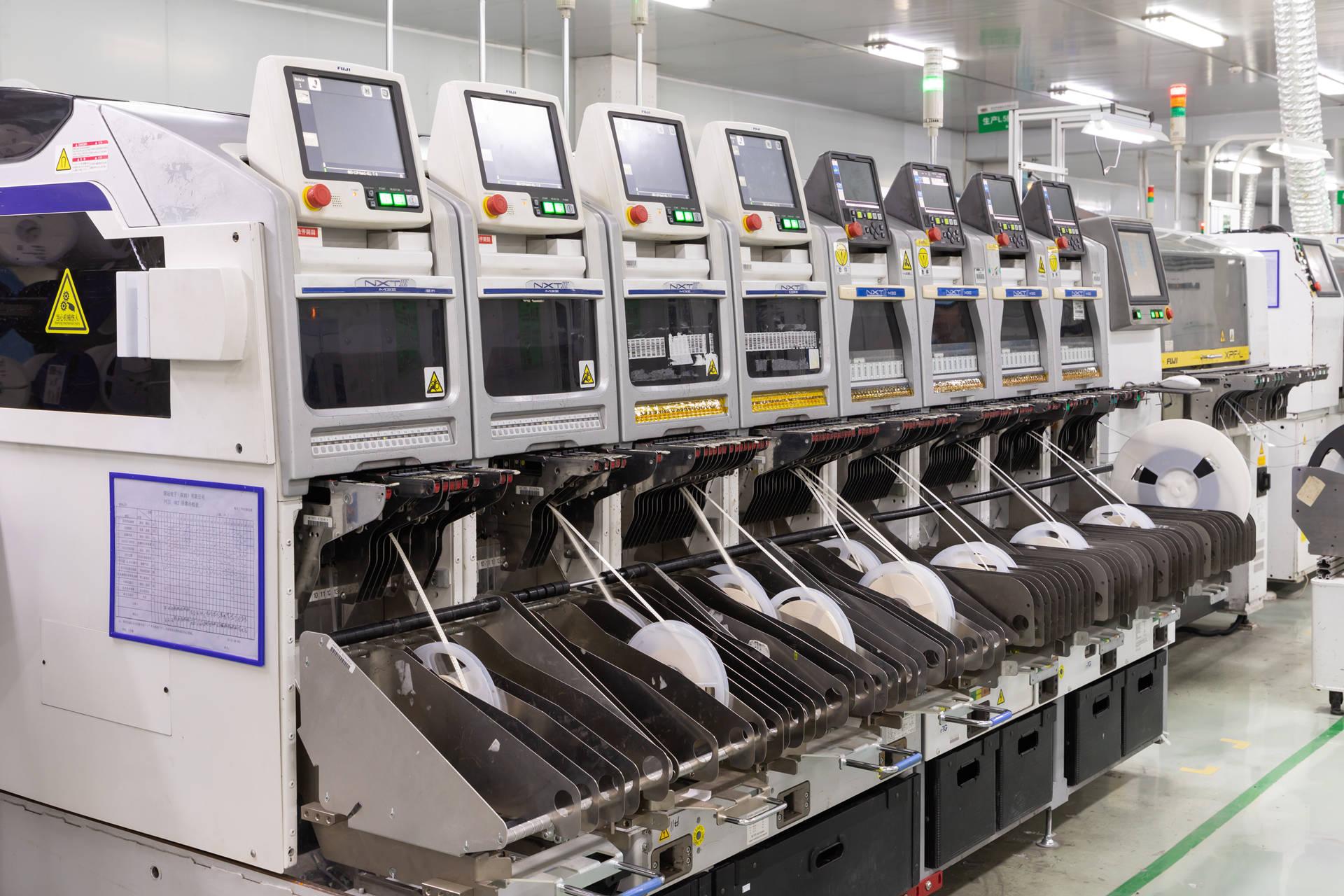
In the fast-paced world of modern electronics manufacturing and industrial automation, Surface Mount Technology (SMT) production lines are the backbone of PCB assembly. Ensuring their continuous operation is paramount, as even minor downtime can lead to significant production losses, missed deadlines, and substantial financial repercussions. Proactive management of essential spare parts is not merely a reactive measure but a strategic imperative for maintaining efficiency, enhancing productivity, and sustaining a competitive edge in advanced manufacturing environments.
Overview
SMT production lines comprise a complex ecosystem of highly synchronized machines, including screen printers, pick-and-place machines, reflow ovens, Automated Optical Inspection (AOI) systems, and various conveyors. Essential spare parts are the critical components required to repair or replace worn, damaged, or expired elements within these sophisticated machines, ensuring their uninterrupted functionality. They range from consumable items like nozzles and feeder tapes to more durable parts such as motors, sensors, heating elements, belts, and vision system components. By having these parts readily available, manufacturers can swiftly address issues, perform routine maintenance, and prevent catastrophic failures. This preparedness is vital for maintaining product quality, ensuring consistent throughput, and extending the operational lifespan of high-value capital equipment. SMT production lines, and thus their spare parts, are indispensable in virtually every sector where electronics are produced, including consumer electronics, automotive electronics, medical devices, aerospace, and telecommunications.
Key Factors to Consider
Critical Component Identification
A thorough analysis of your SMT line's operational history and manufacturer recommendations is crucial to identify parts with high failure rates or those vital for bottleneck processes. This includes components like pick-and-place nozzles, feeder components, specific sensors, heating elements for reflow ovens, and printer squeegee blades, enabling focused inventory stocking.
Supplier Reliability and Authenticity
Sourcing spare parts from reputable suppliers, ideally original equipment manufacturers (OEMs) or certified distributors, is essential. Authentic parts guarantee compatibility, performance consistency, and adherence to quality standards, mitigating risks associated with inferior, non-genuine components that can lead to further equipment damage or production inconsistencies.
Inventory Management and Storage
Implementing a robust inventory management system, often integrated with an Enterprise Resource Planning (ERP) system, is critical. This involves optimizing stock levels to balance availability against carrying costs, utilizing a First-In, First-Out (FIFO) system for parts with shelf lives, and ensuring proper, secure storage conditions to prevent damage or degradation of sensitive components.
Lead Times and Availability
Understanding the lead times for various spare parts is vital for proactive planning. Longer lead times for specialized or imported components necessitate larger safety stocks or earlier procurement strategies to avoid extended downtime. Collaborating with suppliers to understand their inventory and logistics can significantly improve response times during critical situations.
Cost-Benefit Analysis
While stocking spare parts incurs upfront costs, a comprehensive cost-benefit analysis will reveal the significant savings achieved by minimizing production downtime and preventing major equipment damage. Evaluate the cost of a part versus the potential revenue loss per hour of a stalled production line, factoring in labor, scrap, and missed delivery penalties to justify inventory investments.
Benefits
Minimized Downtime
Having essential spare parts on hand enables immediate repairs or replacements, drastically reducing the duration of unexpected machine breakdowns and ensuring the SMT production line operates with minimal interruptions.
Enhanced Production Efficiency
Reliable availability of spares contributes directly to consistent machine performance and throughput. This prevents production bottlenecks and maintains the smooth flow of PCB assembly, optimizing overall operational efficiency.
Improved Product Quality
Functional and well-maintained SMT equipment, supported by timely spare parts replacement, ensures precision and consistency in component placement and soldering, directly translating to higher quality PCBs and reduced defect rates.
Extended Equipment Lifespan
Proactive replacement of worn or aging components with genuine spare parts mitigates cumulative wear and tear on machinery. This extends the operational life of expensive SMT equipment, maximizing return on investment.
Industrial Applications
Consumer Electronics Manufacturing
Automotive Electronics Production
Medical Device Electronics Assembly
Aerospace and Defense Electronics
Industrial Control Systems Manufacturing
Buying Guide
When procuring spare parts for your SMT production line, buyers must meticulously evaluate several critical factors. Prioritize suppliers with a proven reputation for quality and reliability, ensuring the parts' authenticity and adherence to original specifications. Crucially, verify compatibility with your existing machinery models and assess the availability of a comprehensive warranty. Consider the lead times and inventory support offered by the supplier to mitigate future downtime risks. Investing in high-quality, compatible spare parts from a trusted source is a strategic decision that safeguards your production continuity and protects your equipment investment.
Maintenance Tips
Effective maintenance of SMT equipment, underpinned by a robust spare parts strategy, is crucial for sustained operational excellence. Implement a rigorous preventive maintenance schedule that includes regular cleaning of critical components, precise lubrication of moving parts, and meticulous inspection for signs of wear or impending failure. Routine calibration of pick-and-place heads, vision systems, and reflow oven temperature profiles ensures optimal performance. Moreover, invest in comprehensive operator training to empower your team with the skills for routine checks, basic troubleshooting, and the correct handling and replacement of spare parts, fostering a proactive maintenance culture.
Industry Trends
The landscape of SMT production is rapidly evolving with Industry 4.0 paradigms. Integration of IoT sensors, AI-driven analytics, and Digital Twin technology allows for sophisticated predictive maintenance, where spare parts can be ordered and replaced precisely when needed, before a failure occurs. This smart manufacturing approach optimizes inventory, reduces waste, and enhances uptime significantly. Robotics and advanced automation further streamline component handling and assembly, while sustainability considerations increasingly influence the choice of durable, repairable, and energy-efficient SMT equipment and components.
Frequently Asked Questions
Why are spare parts crucial for SMT lines?
Spare parts are crucial for SMT lines to ensure operational continuity and minimize costly downtime. Without readily available components, even minor equipment malfunctions can halt production, leading to significant financial losses, delayed deliveries, and reduced overall manufacturing efficiency. Proactive spare parts management acts as an insurance policy against unforeseen breakdowns, maintaining productivity and product quality.
How often should SMT spare parts inventory be reviewed?
SMT spare parts inventory should be reviewed regularly, ideally on a quarterly or semi-annual basis, and immediately after any significant equipment upgrade or change in production volume. This review should consider historical consumption rates, supplier lead times, part obsolescence, and the criticality of each component to ensure optimal stock levels and prevent unexpected shortages.
What types of spare parts are most common for SMT equipment?
Common spare parts for SMT equipment typically include consumable items and wear-and-tear components. For pick-and-place machines, these often involve nozzles, feeders, feeder tapes, and vision camera components. Screen printers require squeegee blades, stencils, and printer consumables. Reflow ovens frequently need heating elements, cooling fans, and conveyor belts. Sensors, motors, and various electronic circuit boards are also common across different SMT machines.
Conclusion
Strategic management of essential spare parts is fundamental to the operational resilience and economic viability of any SMT production line. By embracing a proactive approach to inventory, prioritizing genuine components, and integrating advanced maintenance practices, manufacturers can significantly reduce downtime, enhance efficiency, and ensure consistent product quality. This preparedness not only safeguards against unexpected disruptions but also extends the life of valuable equipment, driving profitability in electronics manufacturing. For robust industrial solutions, including SMT equipment, robotics, and comprehensive automation support, we recommend contacting KeyLeer Kart to optimize your manufacturing processes.