In the high-stakes environment of modern manufacturing and industrial automation, the strategic choice between Original Equipment Manufacturer (OEM) and aftermarket spare parts is a critical decision. This choice directly impacts operational uptime, equipment longevity, maintenance costs, and ultimately, a company’s competitive edge. Navigating this landscape requires a deep understanding of quality, reliability, and cost-effectiveness to ensure optimal performance and avoid costly production bottlenecks.
Overview
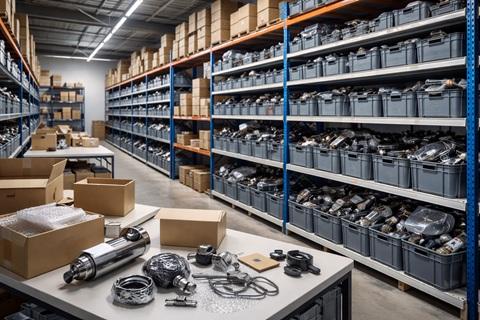
Spare parts are essential replacement components designed to restore or maintain the functionality of industrial machinery, SMT equipment, robotics, semiconductor fabrication tools, CNC machines, and electronics manufacturing lines. These parts range from simple consumables like filters and belts to complex electronic boards, precision mechanical assemblies, and specialized tooling. They work by replacing worn, damaged, or failed components, ensuring the equipment continues to operate within specified parameters. The importance of reliable spare parts cannot be overstated; they are the backbone of continuous production, minimizing downtime, preventing catastrophic failures, and extending the operational lifespan of high-value assets. Without readily available and compatible spare parts, critical production lines could face prolonged outages, leading to significant financial losses and missed delivery targets. Spare parts are commonly used across all sectors of electronics manufacturing, including PCB assembly, semiconductor foundries, automotive automation, aerospace manufacturing, and any industry reliant on complex machinery and automation.
Key Factors to Consider
Quality and Durability
OEM parts are manufactured by the original equipment supplier, guaranteeing precise specifications, materials, and stringent quality control, often matching the original components. Aftermarket parts, conversely, are produced by third-party manufacturers, with quality potentially varying significantly, though some reputable aftermarket suppliers can offer comparable performance.
Warranty and Support
OEM parts typically come with comprehensive warranties directly from the equipment manufacturer, providing assurance and access to dedicated technical support. Aftermarket parts may offer limited or no warranty, and support can depend heavily on the third-party supplier's policies and capabilities.
Cost Implications
OEM spare parts generally carry a higher price tag due to their guaranteed quality, R&D investment, and brand reputation. Aftermarket parts are often more cost-effective upfront, appealing to budgets, but their long-term value must be weighed against potential quality compromises and shorter lifespan.
Availability and Lead Time
OEM parts can sometimes have longer lead times, especially for specialized or older machinery, depending on manufacturer inventory and production schedules. Aftermarket parts may offer faster availability and alternative sourcing options, which can be crucial for urgent repairs and minimizing downtime.
Compatibility and Fit
OEM parts are engineered to fit perfectly and integrate seamlessly with the original equipment, ensuring optimal performance and avoiding compatibility issues. Aftermarket parts, while designed to be compatible, might sometimes require minor adjustments or could lead to subtle performance deviations due to variations in manufacturing tolerances.
Benefits
Reduced Downtime
Choosing the right spare part, whether OEM for guaranteed fit or a reliable aftermarket option for quick availability, directly contributes to faster repairs and minimized production halts, keeping critical lines operational.
Optimized Performance
High-quality spare parts ensure that machinery operates at its intended specifications, maintaining efficiency, precision, and output quality crucial for demanding processes in SMT, semiconductor, and CNC operations.
Cost Efficiency
While OEM parts might be more expensive initially, their longevity and reliability can reduce total cost of ownership by preventing frequent replacements. Conversely, strategically chosen aftermarket parts can offer significant upfront savings without compromising essential functionality.
Extended Equipment Lifespan
Regular replacement of worn components with appropriate spare parts prevents cascading failures and undue stress on other machine elements, thereby extending the overall service life of expensive industrial assets and maximizing ROI.
Industrial Applications
SMT Lines & PCB Assembly
Semiconductor Fabrication Equipment
Robotics & Collaborative Automation
CNC Machining & Metalworking
Electronics Manufacturing & Testing
Buying Guide
Before purchasing spare parts, buyers must thoroughly evaluate the condition of their existing machinery, understand precise specifications, and assess the criticality of the component. Always investigate warranty terms, the reputation of the supplier, and the long-term availability of both OEM and aftermarket options. Crucially, verify the compatibility and exact fit of the spare part with your specific equipment model to prevent costly installation errors or performance degradation.
Maintenance Tips
Effective maintenance practices are paramount for maximizing equipment uptime and component longevity. Implement a rigorous preventive maintenance schedule that includes routine cleaning of sensitive components, precise lubrication of moving parts, and regular visual and diagnostic inspections. Periodically calibrate critical sensors and actuators to maintain accuracy, and ensure all operators receive comprehensive training on proper machine usage and immediate troubleshooting to identify potential spare part needs early.
Industry Trends
The landscape of spare parts management is rapidly evolving with Industry 4.0 advancements. The integration of AI, IoT, and Smart Manufacturing platforms enables Predictive Maintenance, allowing systems to anticipate component failures and automatically order spare parts before downtime occurs. Automation and Digital Twins further optimize inventory management and simulate part performance, while sustainability initiatives drive demand for more durable, recyclable, and efficiently manufactured components, influencing both OEM and aftermarket strategies.
Frequently Asked Questions
Are OEM parts always the superior choice for industrial machinery?
Not necessarily. While OEM parts guarantee original specifications and often offer peace of mind through warranties, their higher cost and potential lead times might not always align with operational needs or budget constraints. For critical components where precision and reliability are paramount, OEM is often preferred, but for less critical parts, high-quality aftermarket options can offer excellent value.
Can using aftermarket spare parts void my equipment warranty?
It depends on the equipment manufacturer's specific warranty terms. Some manufacturers explicitly state that using non-OEM parts can void the warranty, especially if the aftermarket part causes damage or malfunction. It is crucial to review your equipment's warranty documentation carefully and, if in doubt, consult with the OEM or a legal expert before opting for aftermarket solutions, particularly for new machinery.
How do I ensure a good quality aftermarket spare part?
To ensure quality when purchasing aftermarket parts, prioritize suppliers with a strong reputation, industry certifications, and proven track record. Request quality documentation, material specifications, and test reports. Look for suppliers who offer their own warranties and responsive technical support. Independent third-party reviews and industry recommendations can also be valuable resources in identifying reliable aftermarket providers.
Conclusion