
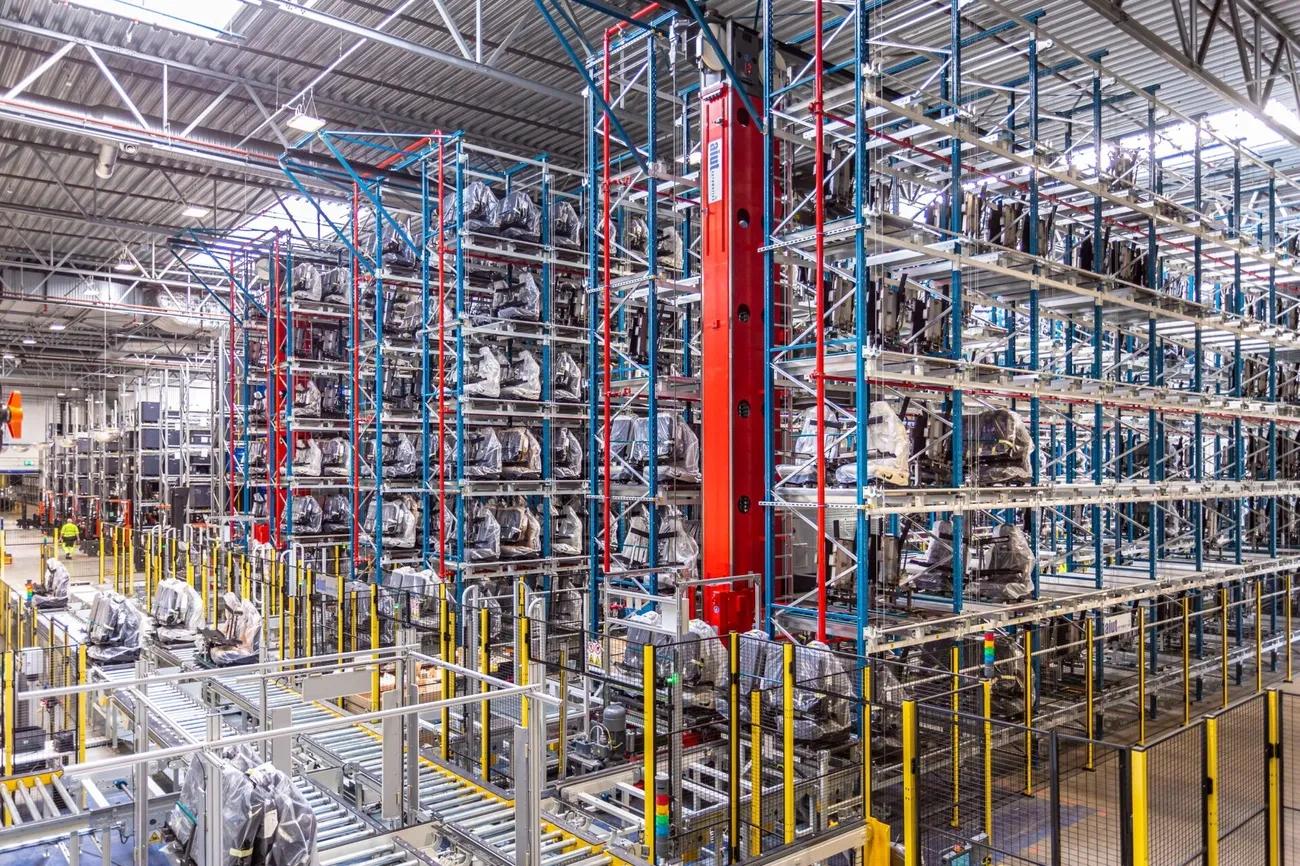
In the fast-paced world of modern manufacturing and industrial automation, efficient management of spare parts inventory is no longer a luxury but a critical necessity. Proactive and precise control over industrial spare parts directly impacts uptime, reduces operational costs, and ensures the continuous flow of production lines, making digital inventory management an indispensable tool for competitive enterprises.
Overview
Digital Inventory Management for industrial spare parts refers to the systematic process of tracking, organizing, and optimizing the stock of components, consumables, and replacement parts using digital technologies. This technology typically involves a combination of software platforms (like ERP, CMMS, or dedicated inventory management systems), barcode or RFID scanning, and often integration with existing enterprise systems.
The system works by creating a comprehensive digital record for every spare part, capturing data such as part number, location, quantity, supplier, cost, usage history, and reorder points. When a part is used or received, its status is updated in real-time through scans or manual entry. Automated alerts notify personnel when stock levels are low or when maintenance is due for a specific component. This real-time visibility eliminates manual errors, reduces search times, and provides actionable insights into inventory performance.
Its importance stems from its ability to prevent costly downtime caused by unavailable parts, optimize inventory levels to reduce carrying costs, and improve maintenance scheduling. By having the right part at the right time, manufacturers can minimize production interruptions, enhance equipment reliability, and extend asset lifecycles.
Digital inventory management is commonly used across a broad spectrum of industrial environments, including high-volume electronics manufacturing (SMT lines), semiconductor fabrication plants, complex robotics integration facilities, CNC machining centers, automotive assembly plants, and large-scale process industries like chemicals and pharmaceuticals, where uninterrupted operations are paramount.
Key Factors to Consider / Key Features
Real-time Tracking and Visibility
A robust digital system offers immediate updates on part location, quantity, and status. This real-time visibility is crucial for making informed decisions, preventing stockouts, and eliminating the time wasted searching for specific components on a busy factory floor.
Integration Capabilities
Effective digital inventory management solutions must seamlessly integrate with existing enterprise resource planning (ERP), computerized maintenance management systems (CMMS), and production control systems. This ensures data consistency across departments, automates workflows, and provides a holistic view of operations.
Demand Forecasting and Optimization
Leveraging historical data and predictive analytics, the system should accurately forecast future spare part demand. This capability helps optimize stock levels, prevent overstocking or understocking, and reduces carrying costs while ensuring critical parts are always available.
Automated Reordering and Alerts
The system should be capable of setting intelligent reorder points and automatically generating purchase requisitions or alerts when stock levels fall below a predetermined threshold. This automation streamlines the procurement process and minimizes human error.
Part Traceability and Lifecycle Management
Digital systems enable end-to-end traceability of each spare part, from procurement to installation and eventual disposal. This includes tracking vendor information, batch numbers, inspection dates, and usage history, which is vital for quality control, warranty claims, and regulatory compliance in industries like semiconductor manufacturing.
Benefits
Reduced Downtime and Enhanced Uptime
By ensuring critical spare parts are readily available, digital inventory management significantly minimizes machine downtime. This directly translates to increased operational uptime, higher production efficiency, and improved overall equipment effectiveness (OEE).
Optimized Inventory Costs
Accurate demand forecasting and real-time tracking help prevent overstocking and reduce carrying costs associated with obsolete or slow-moving parts. It also eliminates emergency rush orders, which often come with premium prices, thereby optimizing overall inventory expenditure.
Improved Maintenance Efficiency
With precise knowledge of part availability, maintenance teams can schedule preventive and corrective actions more effectively. This reduces preparation time for repairs, enhances first-time fix rates, and allows technicians to focus on value-added tasks rather than part sourcing.
Enhanced Data Accuracy and Reporting
Digital systems minimize manual data entry errors, leading to higher accuracy in inventory records. Comprehensive reporting capabilities provide valuable insights into consumption patterns, supplier performance, and cost analysis, supporting continuous improvement initiatives.
Industrial Applications
Electronics Manufacturing (SMT lines, PCB Assembly)
Semiconductor Equipment Manufacturing
Robotics and Automation Systems
CNC Machining and Metal Fabrication
Automotive Assembly and Components Manufacturing
Buying Guide
When evaluating digital inventory management solutions, buyers should thoroughly assess the machine condition for any hardware components, review specifications to ensure they meet operational demands, and understand the warranty terms. Supplier reputation is crucial for long-term support and service. Ensure the system includes comprehensive spare parts availability and technical support, and verify seamless compatibility with existing industrial automation equipment and software infrastructure for a smooth implementation.
Maintenance Tips
To maximize the longevity and accuracy of your digital inventory system's hardware, implement a robust preventive maintenance schedule. Regularly clean scanning devices and hardware components. Ensure proper lubrication for any moving parts in automated storage solutions. Conduct routine inspections of all connected devices and infrastructure for wear or damage. Calibrate sensors and scanning equipment periodically to maintain data accuracy. Finally, invest in continuous operator training to ensure correct usage and data entry practices, preventing errors and maximizing system efficiency.
Industry Trends
Digital inventory management is rapidly evolving under the umbrella of Industry 4.0. The integration of Artificial Intelligence (AI) for predictive demand forecasting, Internet of Things (IoT) sensors for real-time stock monitoring in smart shelves, and advanced analytics is transforming traditional inventory practices. Smart manufacturing initiatives leverage these systems to achieve higher levels of automation and efficiency. Predictive maintenance strategies heavily rely on accurate spare parts data, while digital twins can simulate inventory needs. Furthermore, sustainability is driving trends towards optimized spare parts lifecycles and reduced waste through better management.
Frequently Asked Questions
What is the primary benefit of digital inventory management for industrial spare parts?
The primary benefit is significantly reducing costly downtime by ensuring the right spare parts are available precisely when needed. This improves overall equipment effectiveness (OEE), enhances productivity, and ultimately contributes to a healthier bottom line by preventing production stoppages and optimizing maintenance schedules.
How does digital inventory management integrate with existing factory systems?
Digital inventory management solutions typically integrate with existing factory systems like ERP (Enterprise Resource Planning), CMMS (Computerized Maintenance Management Systems), and MES (Manufacturing Execution Systems) through APIs or direct data links. This ensures a unified data flow, eliminates data silos, and automates processes like purchase order generation and maintenance work order creation, providing a comprehensive view of operations.
Can digital inventory management help with obsolete parts management?
Yes, absolutely. Digital inventory management systems track part usage history, last-ordered dates, and compatibility with current equipment. This data allows manufacturers to identify slow-moving or obsolete parts proactively, facilitating strategic decisions for liquidation, repurposing, or responsible disposal, thereby minimizing financial losses and freeing up valuable storage space.
Conclusion