In the high-speed world of electronics manufacturing, precision and reliability are paramount. Tape and reel feeders are the unsung heroes of Surface Mount Technology (SMT) lines, playing a critical role in the accurate and efficient delivery of electronic components to pick-and-place machines. Understanding their function and optimal deployment is essential for any modern electronics production facility aiming for peak performance and minimal downtime.
Overview
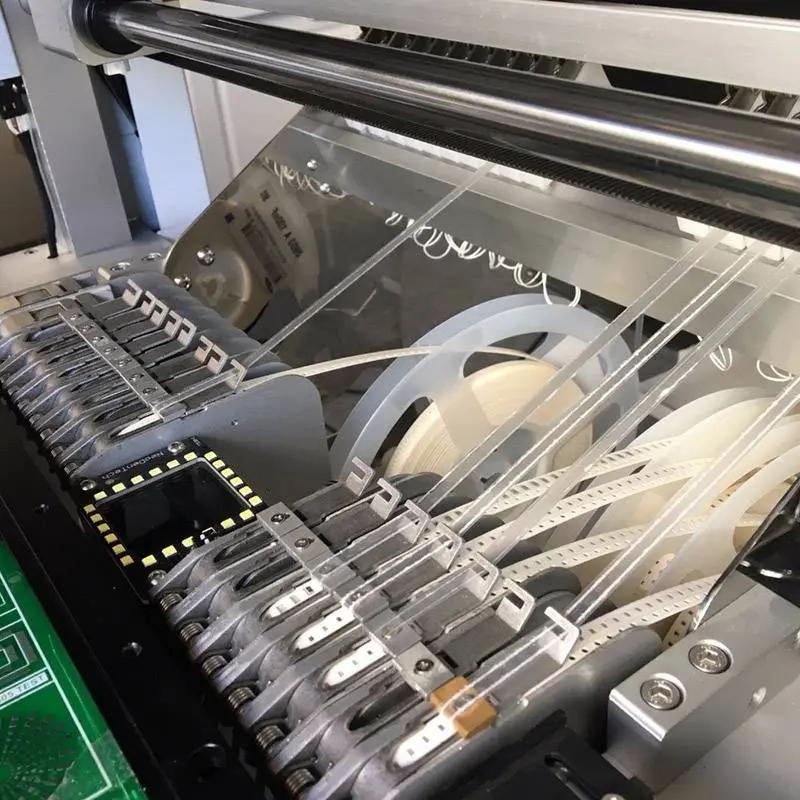
Tape and reel feeders are specialized electromechanical devices designed to present surface mount components (SMCs) from a continuous tape to an SMT pick-and-place machine. These components, such as resistors, capacitors, integrated circuits, and LEDs, are pre-packaged in a carrier tape with pockets that hold each component securely, covered by a clear cover tape. The feeder precisely indexes this tape, peeling away the cover tape to expose one component at a time for robotic picking. This intricate process ensures that thousands of components can be placed accurately and rapidly onto printed circuit boards (PCBs), forming the backbone of automated electronics assembly.
The importance of these feeders cannot be overstated. They are the interface between bulk component storage and high-speed assembly, directly impacting production throughput, component placement accuracy, and overall manufacturing efficiency. Without reliable and precise tape and reel feeders, even the most advanced pick-and-place machines would be rendered ineffective, leading to costly bottlenecks and quality issues in electronics manufacturing.
Key Factors to Consider / Key Features
Precision and Accuracy
Modern tape and reel feeders are engineered for extreme precision, ensuring that each component is presented at the exact location and orientation for the pick-and-place nozzle. This reduces misplacement errors, rework, and waste, which are critical in high-density PCB designs. High-quality feeders feature robust indexing mechanisms and feedback systems to maintain consistent performance over long production runs.
Feeder Type and Compatibility
Feeders come in various types to accommodate different component sizes and tape widths (e.g., 8mm, 12mm, 16mm, up to 104mm) and pitches. Mechanical, pneumatic, and electric feeders each offer distinct advantages in terms of speed, control, and cost. Compatibility with the existing SMT pick-and-place machine, feeder bays, and software is a crucial consideration for seamless integration into the production line.
Capacity and Throughput
The capacity of a feeder, referring to the length of tape it can hold, directly influences the frequency of component replenishment. High-capacity feeders reduce changeover times, enhancing overall line efficiency. Throughput is also influenced by the feeder's indexing speed and reliability, which must keep pace with the high-speed demands of modern SMT assembly.
Ease of Integration and Setup
A feeder system that offers easy loading, quick changeover, and intuitive programming significantly contributes to operational efficiency. Features like automatic tape cutting, splice detection, and quick-release mechanisms minimize downtime during material handling and setup, allowing operators to manage multiple feeders effectively.
Durability and Reliability
Given the continuous operation in demanding manufacturing environments, the durability and reliability of tape and reel feeders are paramount. Components like indexing wheels, motors, and guides must withstand constant motion and wear. Robust construction, high-quality materials, and low-maintenance designs ensure a long operational lifespan and consistent performance, minimizing unexpected breakdowns.
Benefits
Enhanced Production Efficiency
Automated component feeding dramatically accelerates the SMT assembly process, allowing for faster production cycles and higher output. By eliminating manual component handling, feeders contribute to continuous, high-volume manufacturing, directly impacting a facility's overall productivity and ability to meet demand.
Improved Component Placement Accuracy
The precise indexing and component presentation by tape and reel feeders significantly reduce errors associated with manual or less accurate feeding methods. This leads to fewer misaligned or missing components on the PCB, resulting in higher quality products and reduced rework costs.
Reduced Manual Handling and Errors
By automating the delivery of thousands of tiny components, feeders minimize the need for human intervention. This not only speeds up the process but also reduces the risk of human error, component damage, contamination, and electrostatic discharge (ESD) issues, ensuring consistent product quality.
Optimized Material Flow
Tape and reel feeders are integral to a lean manufacturing setup, ensuring a smooth and uninterrupted flow of materials to the assembly line. This optimizes inventory management by reducing work-in-progress and enabling just-in-time component delivery, leading to more efficient resource utilization and reduced operational costs.
Industrial Applications
Electronics Manufacturing (SMT Assembly)
Automotive Electronics Production
Medical Device Manufacturing
Aerospace and Defense Systems
LED Lighting Production
Buying Guide
When evaluating tape and reel feeders, buyers should assess compatibility with their existing pick-and-place machines, the range of component sizes and tape widths they need to handle, the required level of precision and speed, and the overall reliability and ease of maintenance. Consider the total cost of ownership, including initial investment, operational costs, and potential for future scalability and integration with smart factory systems.
Maintenance Tips
Regular maintenance is crucial for optimal feeder performance and longevity. Best practices include daily cleaning of the feeder head and tape path to remove debris, periodic inspection of mechanical parts for wear and tear, lubrication of moving components as per manufacturer guidelines, and timely replacement of worn-out parts like indexing wheels or springs. Keeping feeders calibrated and updated with the latest firmware ensures peak accuracy and reliability.
Industry Trends
The evolution of tape and reel feeders is deeply intertwined with Industry 4.0 and smart manufacturing initiatives. Future trends include more intelligent feeders with integrated sensors for real-time monitoring of component presence and inventory, predictive maintenance capabilities using AI and IoT for proactive fault detection, and seamless integration with factory automation systems for enhanced material traceability and lean production. These advancements aim to create fully autonomous and optimized SMT lines.
Frequently Asked Questions
What is a tape and reel feeder used for?
A tape and reel feeder is an essential piece of equipment in electronics manufacturing, specifically in Surface Mount Technology (SMT) assembly. Its primary function is to precisely present individual electronic components, which are packaged in a continuous carrier tape, to a pick-and-place machine. This enables the automated, high-speed placement of components onto printed circuit boards (PCBs).
How do different feeder types impact SMT production?
Different feeder types, such as mechanical, pneumatic, and electric, impact SMT production through their varying levels of speed, precision, and control. Electric feeders, for instance, offer higher accuracy, faster indexing, and often integrate more easily into advanced automation systems, leading to superior throughput and reduced errors compared to purely mechanical variants. The choice depends on specific production volume, component variety, and budget.
What are the advantages of intelligent tape and reel feeders?
Intelligent tape and reel feeders, often incorporating IoT sensors and connectivity, offer significant advantages. They can provide real-time data on component inventory and consumption, enabling proactive replenishment and reducing line stops. They also support predictive maintenance by monitoring internal parameters, flagging potential issues before they cause downtime, and enhancing overall line efficiency and traceability within a smart factory ecosystem.
Conclusion
Tape and reel feeders are indispensable components of modern SMT lines, driving the efficiency, accuracy, and reliability of electronics manufacturing. Their precise operation enables high-volume production of complex electronic devices, making them a critical investment for any facility aiming for excellence in automation. As manufacturing evolves, these feeders will continue to integrate smart technologies, further solidifying their role in the factories of the future.