
Introduction
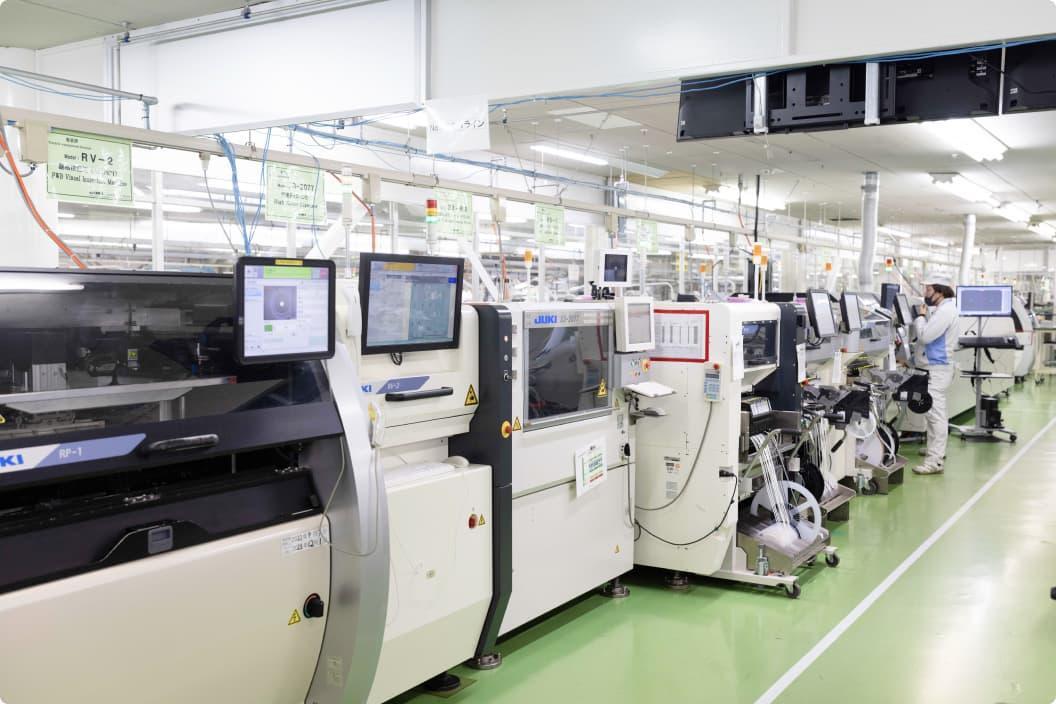
In Surface Mount Technology (SMT) manufacturing, two of the most important performance metrics are placement speed and placement accuracy. These factors directly influence production efficiency, product quality, and overall manufacturing costs. Understanding the balance between speed and accuracy is essential for manufacturers aiming to optimize PCB assembly processes and maintain high-quality standards.
Overview
Placement speed refers to the number of electronic components a pick and place machine can place on a Printed Circuit Board (PCB) within a given time. Placement accuracy measures how precisely those components are positioned on their designated PCB pads.
Modern SMT production lines rely on advanced pick and place machines that combine high-speed operation with exceptional accuracy, enabling manufacturers to meet increasing production demands without compromising quality.
Key Factors Affecting Placement Speed
Machine Performance
Advanced placement heads and optimized motion systems increase component placement rates.
Feeder Efficiency
Reliable SMT feeders ensure continuous component supply and minimize production interruptions.
Software Optimization
Intelligent programming optimizes placement sequences and reduces cycle times.
Component Variety
The size, shape, and complexity of components can affect placement speed.
Key Factors Affecting Placement Accuracy
Vision Systems
High-resolution cameras ensure precise component recognition and alignment.
Machine Calibration
Regular calibration maintains placement precision and consistency.
Component Quality
Properly packaged and supplied components improve placement reliability.
Environmental Conditions
Temperature, vibration, and cleanliness can impact machine performance.
Benefits of Optimizing Speed and Accuracy
Higher Production Efficiency
Faster placement rates increase throughput and reduce manufacturing time.
Improved PCB Quality
Accurate placement minimizes assembly defects and improves solder joint reliability.
Reduced Rework and Waste
Fewer placement errors lead to lower production costs and higher yields.
Enhanced Customer Satisfaction
Consistent product quality improves reliability and market reputation.
Industrial Applications
Consumer Electronics ManufacturingAutomotive ElectronicsMedical DevicesTelecommunications EquipmentIndustrial Automation SystemsBuying Guide
When evaluating SMT equipment, consider placement speed, accuracy specifications, feeder capacity, software capabilities, and future scalability. The ideal machine balances high throughput with exceptional placement precision.
Maintenance Tips
Routine calibration, nozzle inspection, feeder maintenance, vision system cleaning, and software updates help maintain optimal placement performance.
Industry Trends
Modern SMT manufacturers are adopting AI-powered optimization, machine learning, real-time production monitoring, and Industry 4.0 connectivity to improve both placement speed and accuracy. These technologies enable smarter production processes and higher manufacturing efficiency.
Frequently Asked Questions
What is placement speed in SMT manufacturing?
It refers to the number of components a machine can place per hour during PCB assembly.
Why is placement accuracy important?
Accurate placement ensures reliable solder joints, reduces defects, and improves PCB quality.
Can manufacturers achieve both high speed and high accuracy?
Yes. Modern SMT machines are designed to balance speed and precision through advanced hardware and intelligent software.
Conclusion
Placement speed and accuracy are fundamental to successful SMT manufacturing. By investing in advanced equipment, maintaining proper calibration, and leveraging smart manufacturing technologies, companies can improve production efficiency, enhance product quality, and achieve long-term success in the electronics industry.