
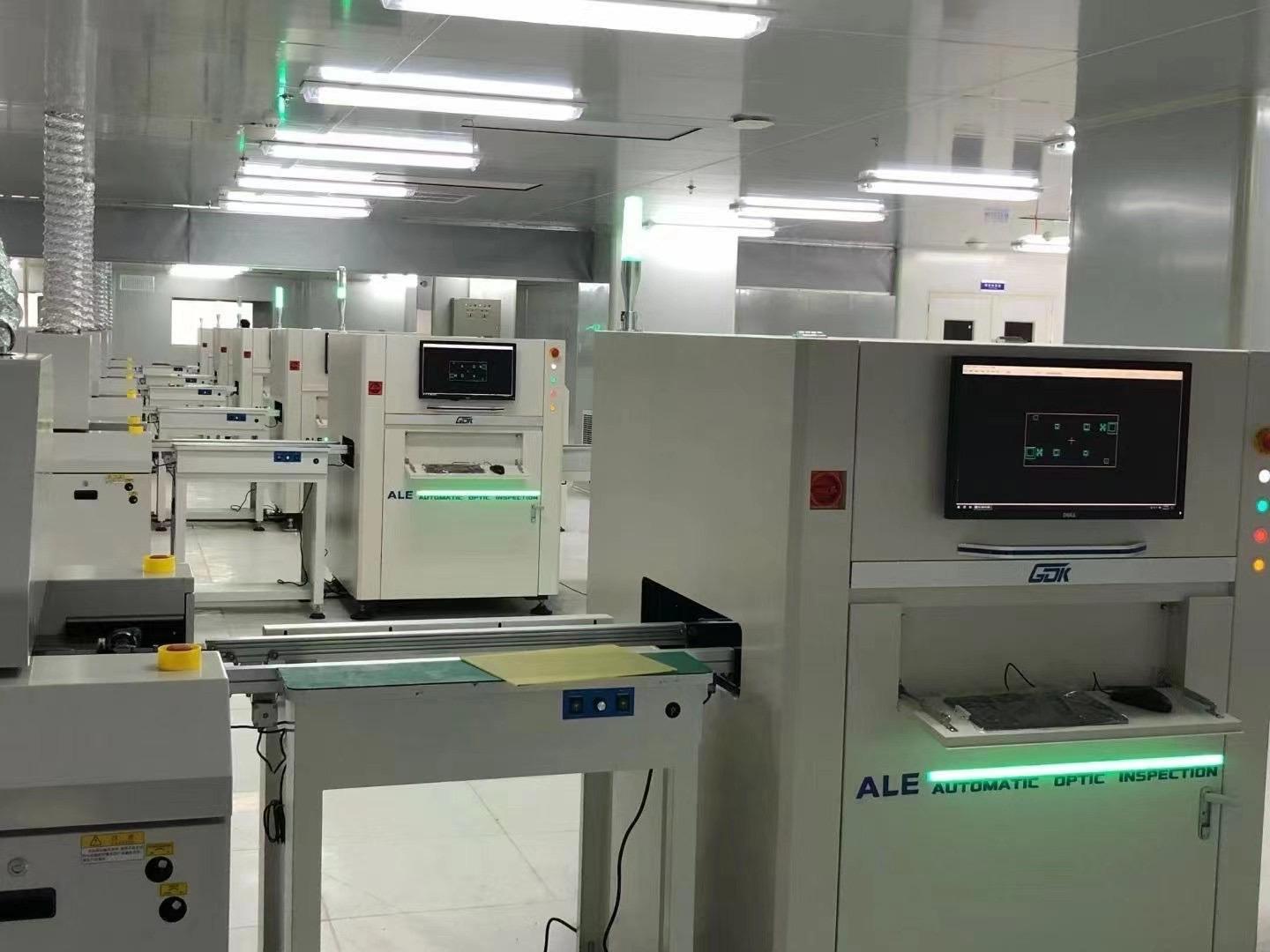
In the rapidly evolving landscape of electronics manufacturing, Surface Mount Technology (SMT) production lines demand unparalleled precision, efficiency, and quality. The integration of data analytics has emerged as a critical enabler, transforming raw operational data into actionable insights that drive continuous improvement, optimize processes, and significantly reduce manufacturing costs and defects, ensuring competitive advantage and operational excellence.
Overview
Data analytics in SMT production lines refers to the systematic process of collecting, processing, analyzing, and interpreting large volumes of data generated at every stage of the SMT assembly process. This encompasses data from pick-and-place machines, solder paste printers, reflow ovens, Automated Optical Inspection (AOI) systems, Automated X-ray Inspection (AXI) systems, and other critical equipment. It works by employing advanced statistical models, machine learning algorithms, and artificial intelligence to identify patterns, predict potential issues, and provide prescriptive recommendations. The importance lies in its ability to move beyond reactive problem-solving to proactive optimization, enabling manufacturers to achieve higher yields, reduce rework, anticipate equipment failures, and make data-driven decisions that enhance overall production efficiency and product reliability.
Key Factors to Consider
1. Real-time Data Collection & Integration
Effective data analytics hinges on the seamless, real-time collection of data from all SMT machines and processes. This requires robust connectivity solutions and standardized data formats to integrate diverse equipment into a unified data ecosystem, ensuring that insights are derived from the most current operational status.
2. Advanced Predictive Algorithms
Leveraging machine learning and AI, sophisticated algorithms are essential for identifying subtle correlations in data that human operators might miss. These algorithms predict potential defects, equipment malfunctions, and process drifts before they impact production, enabling proactive intervention and preventing costly downtime or quality issues.
3. Data Visualization & Dashboards
Transforming complex datasets into intuitive visual dashboards and reports is crucial for quick interpretation and decision-making. Customizable dashboards allow engineers and managers to monitor key performance indicators (KPIs), track trends, pinpoint bottlenecks, and gain a clear, actionable overview of the production line's health.
4. Traceability & Root Cause Analysis
Comprehensive data analytics systems provide full traceability for every component and board, linking production parameters to final product quality. This capability is vital for efficient root cause analysis, allowing manufacturers to quickly identify the precise source of defects and implement corrective actions, minimizing recurrence.
5. Scalability & System Interoperability
An ideal data analytics solution must be scalable to accommodate future growth and new equipment integrations. Furthermore, its ability to interoperate with existing Manufacturing Execution Systems (MES), Enterprise Resource Planning (ERP), and other factory automation platforms ensures a holistic view and streamlined operations across the entire manufacturing enterprise.
Benefits
1. Enhanced Production Efficiency
By optimizing machine parameters, predicting maintenance needs, and streamlining material flow, data analytics significantly reduces idle time and throughput bottlenecks, leading to higher output and improved overall equipment effectiveness (OEE) across the SMT line.
2. Superior Product Quality
Real-time monitoring and predictive insights enable early detection of process deviations that could lead to defects. This proactive approach ensures consistent quality, minimizes rework, and reduces the scrap rate, resulting in higher first-pass yield and more reliable end products.
3. Reduced Operational Costs
Optimized material utilization, minimized energy consumption, extended equipment lifespan through predictive maintenance, and reduced labor costs associated with defect detection and rework all contribute to substantial operational cost savings, boosting profitability.
4. Proactive Maintenance & Downtime Reduction
Data analytics facilitates a shift from reactive to predictive maintenance. By analyzing sensor data and performance trends, systems can forecast equipment failures, allowing maintenance to be scheduled proactively, preventing unexpected downtime and extending the operational life of critical SMT machinery.
Industrial Applications
Automotive Electronics ManufacturingConsumer Electronics AssemblyMedical Device ProductionIndustrial Control Systems ManufacturingAerospace and Defense ElectronicsBuying Guide
When evaluating data analytics solutions for SMT production lines, buyers should thoroughly assess the system's integration capabilities with existing machinery, the depth and breadth of its analytical tools, the vendor's track record for support and updates, and its potential for scalability. Prioritize solutions that offer clear ROI through improved OEE, reduced defects, and actionable insights relevant to your specific manufacturing challenges and future growth objectives.
Maintenance Tips
To ensure continuous accuracy and effectiveness, regularly calibrate data sensors and sources, apply software updates promptly, and conduct periodic data integrity checks to validate the reliability of collected information. Additionally, invest in ongoing training for operators and engineers to maximize their proficiency in utilizing the analytics platform for optimal SMT line performance.
Industry Trends
Data analytics in SMT is a cornerstone of the Industry 4.0 revolution, seamlessly integrating with AI and IoT to create truly smart manufacturing environments. The trend is towards more autonomous systems that leverage machine learning for self-optimization, predictive maintenance, and hyper-personalized production, further enhancing efficiency and agility in electronics manufacturing through pervasive connectivity and advanced computational power.
Frequently Asked Questions
What type of data is collected in SMT analytics?
SMT analytics collects a wide array of data including machine operational parameters (e.g., feeder speed, nozzle pressure, oven profiles), component traceability information, inspection results (from AOI/AXI), material usage, environmental conditions, and operator interactions. This comprehensive data set provides a holistic view of the production process.
How does data analytics reduce SMT defects?
Data analytics reduces SMT defects by identifying subtle patterns and deviations in production data that correlate with quality issues. It enables real-time monitoring to catch process drifts early, predicts potential defects based on historical data, and facilitates rapid root cause analysis, allowing for immediate corrective actions to prevent defect recurrence.
Is data analytics applicable to older SMT lines?
Yes, data analytics can significantly benefit older SMT lines, often through retrofitting sensors and integrating data acquisition modules. While newer machines may offer more native connectivity, existing equipment can still be modernized with IoT devices to feed data into an analytics platform, yielding substantial improvements in efficiency and extending the lifespan of valuable assets.
Conclusion
Data analytics is no longer an optional luxury but a strategic imperative for modern SMT production lines. By harnessing the power of data, manufacturers can achieve unprecedented levels of efficiency, quality, and cost reduction, paving the way for smarter factories and sustained competitive advantage in the complex world of electronics manufacturing. Embracing this technology is key to unlocking the full potential of SMT operations.