
Ultimate Guide to Buying Used SMT Machines: Maximize Value and Performance
In the dynamic world of electronics manufacturing, Surface Mount Technology (SMT) machines are the backbone of production lines, enabling the precise placement of components onto printed circuit boards (PCBs). For businesses aiming to expand capabilities, upgrade aging equipment, or enter the market with a constrained budget, the prospect of acquiring new SMT machinery often comes with a significant capital expenditure. This extensive guide delves into the strategic advantages and critical considerations of investing in used SMT machines, offering a comprehensive roadmap for making informed decisions that ensure both operational excellence and a robust return on investment.
Overview of SMT Machines in Modern Manufacturing
Surface Mount Technology revolutionized electronics manufacturing by allowing components to be directly mounted onto the surface of PCBs, contrasting with the older through-hole technology. This innovation facilitated miniaturization, increased component density, and improved manufacturing efficiency, leading to the sophisticated electronic devices we rely on today. An SMT line typically comprises several key machines:
Screen Printer: Applies solder paste to the PCB pads.
Pick and Place Machine: Precisely picks surface mount components from feeders and places them onto the solder-pasted PCB.
Reflow Oven: Melts the solder paste, forming permanent electrical and mechanical connections between components and the PCB.
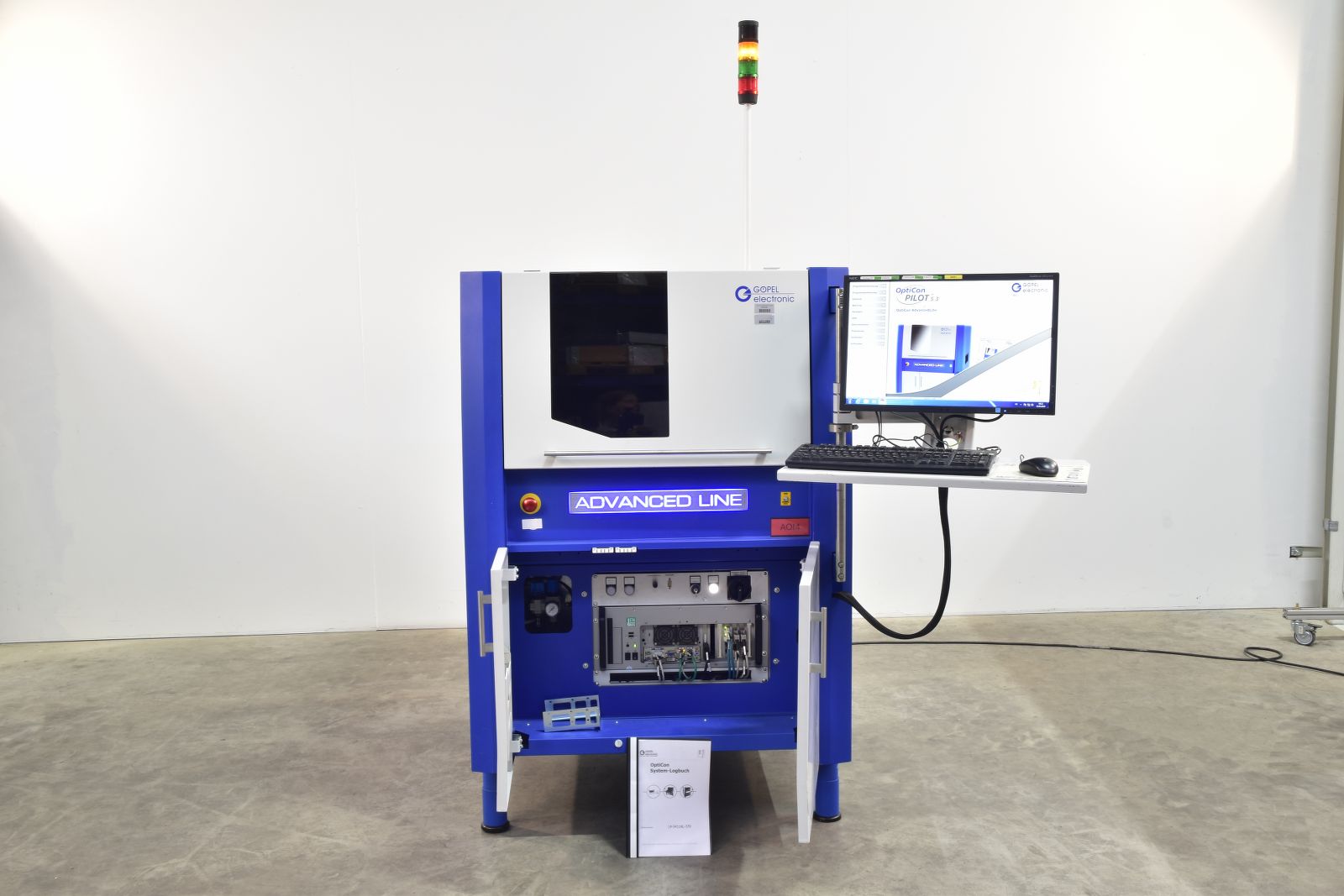
Automated Optical Inspection (AOI): Inspects solder paste application, component placement, and solder joints for defects.
While the allure of brand-new SMT equipment is strong, offering the latest technology and full manufacturer warranties, the used SMT machine market presents a compelling alternative. It provides access to high-quality, proven machinery at a fraction of the cost, making advanced manufacturing capabilities accessible to a broader range of enterprises, from startups to established contract manufacturers looking to expand capacity efficiently.
Key Features to Consider in SMT Machines
When evaluating any SMT machine, whether new or used, several core features dictate its performance, versatility, and suitability for your specific production needs. Understanding these is paramount:
Placement Speed and Accuracy: Measured in components per hour (CPH), speed is crucial for high-volume production. Accuracy, often expressed in microns, ensures components are placed correctly, preventing defects.
Component Handling Capability: The range of components a machine can place, from tiny 01005 chips to large BGA or QFN packages, is vital. This includes feeder types (tape and reel, tray, tube) and nozzle compatibility.
Board Size and Thickness: Machines have specific limits on the maximum and minimum dimensions and thickness of PCBs they can process.
Vision Systems: Advanced vision systems are critical for precise placement, allowing for component recognition, fiducial mark alignment, and bad mark detection.
Software and User Interface: Intuitive software streamlines programming, optimization, and fault diagnosis. Compatibility with existing systems and ease of integration are also important.
Feeder Capacity and Types: The number and variety of feeders a machine can accommodate directly impact its flexibility for different production runs.
Maintenance and Reliability: Ease of maintenance, availability of spare parts, and the overall reputation for reliability are long-term cost factors.
Benefits of Buying Used SMT Machines
The decision to purchase used SMT equipment often stems from a strategic approach to capital expenditure and operational efficiency. The benefits are numerous and significant:
Substantial Cost Savings: This is arguably the most significant advantage. Used machines can be acquired at a fraction of the cost of new ones, freeing up capital for other investments or operational expenses.
Faster Return on Investment (ROI): Lower initial investment directly translates to a quicker payback period, accelerating profitability.
Immediate Availability: Unlike new machines that often have long lead times, used SMT equipment is typically available for immediate purchase and deployment, allowing for rapid production scaling.
Proven Technology: Many used machines have a track record of reliable performance in production environments, meaning fewer surprises regarding their capabilities.
Reduced Depreciation: The steepest depreciation curve for machinery occurs in its initial years. Buying used means you avoid this initial rapid loss in value.
Environmental Sustainability: Extending the lifecycle of industrial machinery through reuse reduces waste and the energy consumption associated with manufacturing new equipment.
Access to High-End Models: Budgets that might only afford entry-level new machines can often access higher-performance, previously top-tier models in the used market.
Industrial Applications of SMT Machines
SMT machines are indispensable across a vast spectrum of industries where electronic components are integrated into products. Their precision, speed, and ability to handle miniaturized components make them critical for:
Consumer Electronics: Smartphones, tablets, laptops, smart home devices, gaming consoles, and wearable technology all rely heavily on SMT for compact and powerful PCBs.
Automotive Electronics: From engine control units (ECUs) and infotainment systems to advanced driver-assistance systems (ADAS) and electric vehicle (EV) battery management, SMT enables the complex electronics required.
Medical Devices: Precision is paramount in medical equipment like pacemakers, diagnostic imaging systems, and monitoring devices, making SMT crucial for reliability and miniaturization.
Industrial Automation: PLCs, industrial controllers, robotics, and sensor systems in factories and processing plants utilize SMT for robust and high-performance electronics.
Telecommunications: Base stations, routers, switches, and network infrastructure components incorporate SMT-assembled PCBs to meet high-frequency and density requirements.
Aerospace and Defense: Mission-critical systems, avionics, and communication equipment demand the highest reliability and performance, often achieved through advanced SMT processes.
Internet of Things (IoT) Devices: The proliferation of connected devices in smart cities, agriculture, and industry relies on SMT for compact, low-power electronic modules.
Comprehensive Used SMT Machine Buying Guide
Navigating the used SMT market requires diligence and a structured approach. This detailed guide outlines the essential steps to ensure a successful acquisition:
1. Define Your Production Requirements
Before beginning your search, clearly articulate your needs:
Current and Future Production Volume: How many PCBs do you need to produce per day/week/month? This dictates the required CPH.
Board Complexity: Are you placing standard chips, fine-pitch BGAs, or a mix of both? This influences required accuracy and vision capabilities.
Component Range: List the smallest and largest components you anticipate using, including passive components, ICs, connectors, and odd-form components.
Board Size: Determine the maximum and minimum dimensions of your PCBs.
Budget: Establish a realistic budget for the machine, including potential refurbishment, shipping, installation, and training costs.
Existing Equipment Compatibility: Consider how the used machine will integrate with your current SMT line, especially in terms of software, material handling, and feeder types.
2. Research Machine Types and Models
Focus on reputable brands known for reliability, longevity, and support, such as Fuji, Mydata/Mycronic, Panasonic, Juki, Siemens/ASM, Universal, and Yamaha. Research specific models that align with your defined requirements. Pay attention to:
Age and Technology Generation: Newer generations offer better speed, accuracy, and software integration, but older, well-maintained machines can still be highly productive.
Software and OS: Ensure the operating system and software are updatable or compatible with your current IT infrastructure. Verify software licenses if applicable.
Availability of Spare Parts and Service: Check the accessibility of parts and qualified technicians for the specific model in your region.
3. Vendor Selection and Due Diligence
Choosing the right seller is as crucial as choosing the right machine:
Reputation and Experience: Opt for established dealers or brokers specializing in used SMT equipment. Check their industry references and online reviews.
Refurbishment Process: Understand the extent of refurbishment offered. A truly refurbished machine should have worn parts replaced, be thoroughly cleaned, recalibrated, and tested to factory specifications. A "tested and working" machine might only have basic functionality confirmed.
Warranty and Support: Inquire about any warranty offered (even short-term) and post-sale technical support, installation assistance, and training.
Documentation: Ensure the seller can provide complete operational manuals, service records, maintenance logs, and programming guides.
4. In-Depth Machine Inspection Checklist
A thorough inspection, preferably by a qualified technician, is non-negotiable:
Mechanical Condition:
Gantry and Motion Systems: Check for excessive wear, backlash, or damage to linear guides, ball screws, and belts.
Placement Heads: Inspect for wear on nozzles, proper head movement, and vacuum integrity.
Feeders: Verify the quantity, type, and condition of feeders. Test their functionality for proper component presentation.
Conveyor System: Check belt condition, motor function, and board stop mechanisms.
Electrical and Electronic Systems:
Control Boards: Inspect for any signs of overheating, corrosion, or modifications.
Wiring and Cabling: Look for frayed wires, loose connections, or improper repairs.
Sensors and Actuators: Confirm all safety interlocks, limit switches, and pneumatic actuators are functioning correctly.
Vision System:
Cameras and Lighting: Test the clarity and functionality of all vision cameras (up-looking and down-looking) and lighting systems.
Calibration: Inquire about recent calibration records.
Software and Control System:
Boot-up and Functionality: Power on the machine and verify all systems initialize correctly. Navigate the user interface.
Error Logs: Review past error logs for recurring issues.
Software Version: Confirm the software version and its update potential.
Pneumatics and Utilities:
Air Lines and Pressure: Check for leaks, proper pressure, and filter condition.
Power Requirements: Verify voltage, phase, and amperage match your facility's infrastructure.
Physical Condition: Assess for significant cosmetic damage that might indicate rough handling, rust, or missing panels.
5. Performance Testing
Wherever possible, request to see the machine running a sample program or a test board with various component types. This "live" demonstration is invaluable for assessing actual operational performance, placement accuracy, and overall stability under load.
6. Logistics, Installation, and Training
Factor in the costs and complexities of:
Shipping: Safe and insured transportation, especially for heavy and delicate machinery.
Installation and Setup: Professional installation is highly recommended to ensure proper calibration and functionality.
Training: Ensure your operators and maintenance staff receive adequate training on the specific machine model.
Maintenance Tips for Used SMT Machines
Once acquired, consistent and proactive maintenance is key to maximizing the lifespan and performance of your used SMT equipment:
Regular Cleaning: Daily cleaning of nozzles, feeders, and conveyor belts to prevent solder paste buildup and component mispicks. Monthly deep cleaning of the entire machine, including gantry and vision system components.
Lubrication: Adhere strictly to the manufacturer's lubrication schedule for moving parts, linear guides, and ball screws using recommended lubricants.
Calibration: Perform routine calibration of vision systems, placement heads, and component alignment mechanisms to maintain placement accuracy.
Software and Firmware Updates: Keep the machine's software and firmware updated, provided the updates are stable and compatible, to ensure optimal performance and access to new features.
Preventive Replacement of Wear Parts: Implement a schedule for replacing common wear items like belts, filters, vacuum pump components, and specific feeder parts before they fail.
Environmental Control: Maintain a clean, temperature-controlled, and humidity-stable environment around the machine to prevent dust ingress and component degradation.
Operator Training: Ensure operators are well-trained not only in machine operation but also in basic troubleshooting and preventative measures.
Spare Parts Inventory: Maintain a strategic inventory of critical spare parts to minimize downtime during unexpected failures.
Service Agreements: Consider a service agreement with a reputable third-party provider or the original manufacturer for complex repairs and annual check-ups.
Industry Trends Impacting the Used SMT Market
The electronics manufacturing landscape is continuously evolving, and these trends directly influence the demand for and valuation of used SMT equipment:
Miniaturization and High-Density Boards: The demand for smaller, more powerful devices drives the need for machines capable of placing increasingly tiny components (e.g., 01005, 008004) with extreme precision. Newer used machines with advanced vision and finer pitch capabilities are highly sought after.
IoT and Connected Devices: The explosion of IoT devices requires flexible SMT lines capable of handling diverse product types, often in lower volumes with higher mix.
Automation and Industry 4.0 Integration: Manufacturers are seeking equipment that can integrate into broader automated ecosystems, offering data collection capabilities and remote monitoring. While older machines may lack native Industry 4.0 features, some can be retrofitted with sensors and gateways.
Lead-Free Soldering Standards: Most modern SMT machines are designed for lead-free processes, which require higher reflow temperatures and specific solder paste handling. Ensuring a used machine is compatible with your soldering process is crucial.
Flexibility and Quick Changeover: In a high-mix, low-volume production environment, the ability to quickly reconfigure SMT lines for different products is a significant advantage. Machines designed for rapid feeder changes and program loading are more desirable.
Sustainability Initiatives: The growing emphasis on environmental responsibility makes the reuse of machinery an attractive option for companies looking to reduce their carbon footprint.
Frequently Asked Questions (FAQs)
1. Is buying a used SMT machine a high-risk venture?
While there are inherent risks, these can be significantly mitigated through thorough due diligence, detailed inspection by qualified technicians, purchasing from reputable vendors offering warranties, and clear understanding of the machine's history and maintenance records. A well-vetted used machine can be a low-risk, high-reward investment.
2. What is the typical lifespan of an SMT machine?
With proper maintenance, high-quality SMT machines can last anywhere from 10 to 20 years or even longer. Key factors affecting lifespan include original build quality, consistent preventive maintenance, operating environment, and availability of spare parts.
3. How do I find reputable sellers of used SMT equipment?
Look for specialized industrial machinery dealers, brokers with years of experience in SMT, or consider purchasing directly from manufacturers offering refurbished units. Industry trade shows, online marketplaces for industrial equipment, and professional networks can also be good sources. Always check references and reviews.
4. What are the most common parts that fail or need replacement on used SMT machines?
Common wear parts include nozzles, vacuum pumps, filters, feeder components (e.g., feeder tapes, springs), belts (on gantries and conveyors), and vision system lamps. Electrical components like sensors or drive motors can also fail, though less frequently. Software licensing and compatibility issues can also arise.
5. Can I get a warranty on a used SMT machine?
Yes, many reputable dealers and brokers offer limited warranties, often ranging from 30 to 90 days, on refurbished SMT machines. These warranties typically cover parts and labor for major defects. Always clarify the specifics of any warranty offered before purchase.
6. How important is the software version and support for a used SMT machine?
Extremely important. The software dictates machine functionality, programming ease, and integration capabilities. Older software versions might lack modern features, have compatibility issues with newer components, or receive no further support or updates, potentially limiting the machine's future utility and increasing operational headaches.
Conclusion
Investing in used SMT machinery offers a strategic pathway to enhancing electronics manufacturing capabilities without the prohibitive costs associated with new equipment. By meticulously assessing your needs, conducting thorough inspections, selecting reputable vendors, and committing to diligent maintenance, businesses can acquire high-performance SMT assets that deliver exceptional value and a rapid return on investment. The used SMT market is not merely a cost-saving alternative; it is a gateway to sustainable growth, operational flexibility, and competitive advantage in the ever-evolving landscape of industrial automation. Approach your purchase with informed caution and strategic foresight, and unlock the full potential of pre-owned SMT technology for your enterprise.
Ultimate Guide to Buying Used SMT Machines: Maximize Value and Performance
In the dynamic world of electronics manufacturing, Surface Mount Technology (SMT) machines are the backbone of production lines, enabling the precise placement of components onto printed circuit boards (PCBs). For businesses aiming to expand capabilities, upgrade aging equipment, or enter the market with a constrained budget, the prospect of acquiring new SMT machinery often comes with a significant capital expenditure. This extensive guide delves into the strategic advantages and critical considerations of investing in used SMT machines, offering a comprehensive roadmap for making informed decisions that ensure both operational excellence and a robust return on investment.
Overview of SMT Machines in Modern Manufacturing
Surface Mount Technology revolutionized electronics manufacturing by allowing components to be directly mounted onto the surface of PCBs, contrasting with the older through-hole technology. This innovation facilitated miniaturization, increased component density, and improved manufacturing efficiency, leading to the sophisticated electronic devices we rely on today. An SMT line typically comprises several key machines:
Screen Printer: Applies solder paste to the PCB pads.
Pick and Place Machine: Precisely picks surface mount components from feeders and places them onto the solder-pasted PCB.
Reflow Oven: Melts the solder paste, forming permanent electrical and mechanical connections between components and the PCB.
Automated Optical Inspection (AOI): Inspects solder paste application, component placement, and solder joints for defects.
While the allure of brand-new SMT equipment is strong, offering the latest technology and full manufacturer warranties, the used SMT machine market presents a compelling alternative. It provides access to high-quality, proven machinery at a fraction of the cost, making advanced manufacturing capabilities accessible to a broader range of enterprises, from startups to established contract manufacturers looking to expand capacity efficiently.
Key Features to Consider in SMT Machines
When evaluating any SMT machine, whether new or used, several core features dictate its performance, versatility, and suitability for your specific production needs. Understanding these is paramount:
Placement Speed and Accuracy: Measured in components per hour (CPH), speed is crucial for high-volume production. Accuracy, often expressed in microns, ensures components are placed correctly, preventing defects.
Component Handling Capability: The range of components a machine can place, from tiny 01005 chips to large BGA or QFN packages, is vital. This includes feeder types (tape and reel, tray, tube) and nozzle compatibility.
Board Size and Thickness: Machines have specific limits on the maximum and minimum dimensions and thickness of PCBs they can process.
Vision Systems: Advanced vision systems are critical for precise placement, allowing for component recognition, fiducial mark alignment, and bad mark detection.
Software and User Interface: Intuitive software streamlines programming, optimization, and fault diagnosis. Compatibility with existing systems and ease of integration are also important.
Feeder Capacity and Types: The number and variety of feeders a machine can accommodate directly impact its flexibility for different production runs.
Maintenance and Reliability: Ease of maintenance, availability of spare parts, and the overall reputation for reliability are long-term cost factors.
Benefits of Buying Used SMT Machines
The decision to purchase used SMT equipment often stems from a strategic approach to capital expenditure and operational efficiency. The benefits are numerous and significant:
Substantial Cost Savings: This is arguably the most significant advantage. Used machines can be acquired at a fraction of the cost of new ones, freeing up capital for other investments or operational expenses.
Faster Return on Investment (ROI): Lower initial investment directly translates to a quicker payback period, accelerating profitability.
Immediate Availability: Unlike new machines that often have long lead times, used SMT equipment is typically available for immediate purchase and deployment, allowing for rapid production scaling.
Proven Technology: Many used machines have a track record of reliable performance in production environments, meaning fewer surprises regarding their capabilities.
Reduced Depreciation: The steepest depreciation curve for machinery occurs in its initial years. Buying used means you avoid this initial rapid loss in value.
Environmental Sustainability: Extending the lifecycle of industrial machinery through reuse reduces waste and the energy consumption associated with manufacturing new equipment.
Access to High-End Models: Budgets that might only afford entry-level new machines can often access higher-performance, previously top-tier models in the used market.
Industrial Applications of SMT Machines
SMT machines are indispensable across a vast spectrum of industries where electronic components are integrated into products. Their precision, speed, and ability to handle miniaturized components make them critical for:
Consumer Electronics: Smartphones, tablets, laptops, smart home devices, gaming consoles, and wearable technology all rely heavily on SMT for compact and powerful PCBs.
Automotive Electronics: From engine control units (ECUs) and infotainment systems to advanced driver-assistance systems (ADAS) and electric vehicle (EV) battery management, SMT enables the complex electronics required.
Medical Devices: Precision is paramount in medical equipment like pacemakers, diagnostic imaging systems, and monitoring devices, making SMT crucial for reliability and miniaturization.
Industrial Automation: PLCs, industrial controllers, robotics, and sensor systems in factories and processing plants utilize SMT for robust and high-performance electronics.
Telecommunications: Base stations, routers, switches, and network infrastructure components incorporate SMT-assembled PCBs to meet high-frequency and density requirements.
Aerospace and Defense: Mission-critical systems, avionics, and communication equipment demand the highest reliability and performance, often achieved through advanced SMT processes.
Internet of Things (IoT) Devices: The proliferation of connected devices in smart cities, agriculture, and industry relies on SMT for compact, low-power electronic modules.
Comprehensive Used SMT Machine Buying Guide
Navigating the used SMT market requires diligence and a structured approach. This detailed guide outlines the essential steps to ensure a successful acquisition:
1. Define Your Production Requirements
Before beginning your search, clearly articulate your needs:
Current and Future Production Volume: How many PCBs do you need to produce per day/week/month? This dictates the required CPH.
Board Complexity: Are you placing standard chips, fine-pitch BGAs, or a mix of both? This influences required accuracy and vision capabilities.
Component Range: List the smallest and largest components you anticipate using, including passive components, ICs, connectors, and odd-form components.
Board Size: Determine the maximum and minimum dimensions of your PCBs.
Budget: Establish a realistic budget for the machine, including potential refurbishment, shipping, installation, and training costs.
Existing Equipment Compatibility: Consider how the used machine will integrate with your current SMT line, especially in terms of software, material handling, and feeder types.
2. Research Machine Types and Models
Focus on reputable brands known for reliability, longevity, and support, such as Fuji, Mydata/Mycronic, Panasonic, Juki, Siemens/ASM, Universal, and Yamaha. Research specific models that align with your defined requirements. Pay attention to:
Age and Technology Generation: Newer generations offer better speed, accuracy, and software integration, but older, well-maintained machines can still be highly productive.
Software and OS: Ensure the operating system and software are updatable or compatible with your current IT infrastructure. Verify software licenses if applicable.
Availability of Spare Parts and Service: Check the accessibility of parts and qualified technicians for the specific model in your region.
3. Vendor Selection and Due Diligence
Choosing the right seller is as crucial as choosing the right machine:
Reputation and Experience: Opt for established dealers or brokers specializing in used SMT equipment. Check their industry references and online reviews.
Refurbishment Process: Understand the extent of refurbishment offered. A truly refurbished machine should have worn parts replaced, be thoroughly cleaned, recalibrated, and tested to factory specifications. A "tested and working" machine might only have basic functionality confirmed.
Warranty and Support: Inquire about any warranty offered (even short-term) and post-sale technical support, installation assistance, and training.
Documentation: Ensure the seller can provide complete operational manuals, service records, maintenance logs, and programming guides.
4. In-Depth Machine Inspection Checklist
A thorough inspection, preferably by a qualified technician, is non-negotiable:
Mechanical Condition:
Gantry and Motion Systems: Check for excessive wear, backlash, or damage to linear guides, ball screws, and belts.
Placement Heads: Inspect for wear on nozzles, proper head movement, and vacuum integrity.
Feeders: Verify the quantity, type, and condition of feeders. Test their functionality for proper component presentation.
Conveyor System: Check belt condition, motor function, and board stop mechanisms.
Electrical and Electronic Systems:
Control Boards: Inspect for any signs of overheating, corrosion, or modifications.
Wiring and Cabling: Look for frayed wires, loose connections, or improper repairs.
Sensors and Actuators: Confirm all safety interlocks, limit switches, and pneumatic actuators are functioning correctly.
Vision System:
Cameras and Lighting: Test the clarity and functionality of all vision cameras (up-looking and down-looking) and lighting systems.
Calibration: Inquire about recent calibration records.
Software and Control System:
Boot-up and Functionality: Power on the machine and verify all systems initialize correctly. Navigate the user interface.
Error Logs: Review past error logs for recurring issues.
Software Version: Confirm the software version and its update potential.
Pneumatics and Utilities:
Air Lines and Pressure: Check for leaks, proper pressure, and filter condition.
Power Requirements: Verify voltage, phase, and amperage match your facility's infrastructure.
Physical Condition: Assess for significant cosmetic damage that might indicate rough handling, rust, or missing panels.
5. Performance Testing
Wherever possible, request to see the machine running a sample program or a test board with various component types. This "live" demonstration is invaluable for assessing actual operational performance, placement accuracy, and overall stability under load.
6. Logistics, Installation, and Training
Factor in the costs and complexities of:
Shipping: Safe and insured transportation, especially for heavy and delicate machinery.
Installation and Setup: Professional installation is highly recommended to ensure proper calibration and functionality.
Training: Ensure your operators and maintenance staff receive adequate training on the specific machine model.
Maintenance Tips for Used SMT Machines
Once acquired, consistent and proactive maintenance is key to maximizing the lifespan and performance of your used SMT equipment:
Regular Cleaning: Daily cleaning of nozzles, feeders, and conveyor belts to prevent solder paste buildup and component mispicks. Monthly deep cleaning of the entire machine, including gantry and vision system components.
Lubrication: Adhere strictly to the manufacturer's lubrication schedule for moving parts, linear guides, and ball screws using recommended lubricants.
Calibration: Perform routine calibration of vision systems, placement heads, and component alignment mechanisms to maintain placement accuracy.
Software and Firmware Updates: Keep the machine's software and firmware updated, provided the updates are stable and compatible, to ensure optimal performance and access to new features.
Preventive Replacement of Wear Parts: Implement a schedule for replacing common wear items like belts, filters, vacuum pump components, and specific feeder parts before they fail.
Environmental Control: Maintain a clean, temperature-controlled, and humidity-stable environment around the machine to prevent dust ingress and component degradation.
Operator Training: Ensure operators are well-trained not only in machine operation but also in basic troubleshooting and preventative measures.
Spare Parts Inventory: Maintain a strategic inventory of critical spare parts to minimize downtime during unexpected failures.
Service Agreements: Consider a service agreement with a reputable third-party provider or the original manufacturer for complex repairs and annual check-ups.
Industry Trends Impacting the Used SMT Market
The electronics manufacturing landscape is continuously evolving, and these trends directly influence the demand for and valuation of used SMT equipment:
Miniaturization and High-Density Boards: The demand for smaller, more powerful devices drives the need for machines capable of placing increasingly tiny components (e.g., 01005, 008004) with extreme precision. Newer used machines with advanced vision and finer pitch capabilities are highly sought after.
IoT and Connected Devices: The explosion of IoT devices requires flexible SMT lines capable of handling diverse product types, often in lower volumes with higher mix.
Automation and Industry 4.0 Integration: Manufacturers are seeking equipment that can integrate into broader automated ecosystems, offering data collection capabilities and remote monitoring. While older machines may lack native Industry 4.0 features, some can be retrofitted with sensors and gateways.
Lead-Free Soldering Standards: Most modern SMT machines are designed for lead-free processes, which require higher reflow temperatures and specific solder paste handling. Ensuring a used machine is compatible with your soldering process is crucial.
Flexibility and Quick Changeover: In a high-mix, low-volume production environment, the ability to quickly reconfigure SMT lines for different products is a significant advantage. Machines designed for rapid feeder changes and program loading are more desirable.
Sustainability Initiatives: The growing emphasis on environmental responsibility makes the reuse of machinery an attractive option for companies looking to reduce their carbon footprint.
Frequently Asked Questions (FAQs)
1. Is buying a used SMT machine a high-risk venture?
While there are inherent risks, these can be significantly mitigated through thorough due diligence, detailed inspection by qualified technicians, purchasing from reputable vendors offering warranties, and clear understanding of the machine's history and maintenance records. A well-vetted used machine can be a low-risk, high-reward investment.
2. What is the typical lifespan of an SMT machine?
With proper maintenance, high-quality SMT machines can last anywhere from 10 to 20 years or even longer. Key factors affecting lifespan include original build quality, consistent preventive maintenance, operating environment, and availability of spare parts.
3. How do I find reputable sellers of used SMT equipment?
Look for specialized industrial machinery dealers, brokers with years of experience in SMT, or consider purchasing directly from manufacturers offering refurbished units. Industry trade shows, online marketplaces for industrial equipment, and professional networks can also be good sources. Always check references and reviews.
4. What are the most common parts that fail or need replacement on used SMT machines?
Common wear parts include nozzles, vacuum pumps, filters, feeder components (e.g., feeder tapes, springs), belts (on gantries and conveyors), and vision system lamps. Electrical components like sensors or drive motors can also fail, though less frequently. Software licensing and compatibility issues can also arise.
5. Can I get a warranty on a used SMT machine?
Yes, many reputable dealers and brokers offer limited warranties, often ranging from 30 to 90 days, on refurbished SMT machines. These warranties typically cover parts and labor for major defects. Always clarify the specifics of any warranty offered before purchase.
6. How important is the software version and support for a used SMT machine?
Extremely important. The software dictates machine functionality, programming ease, and integration capabilities. Older software versions might lack modern features, have compatibility issues with newer components, or receive no further support or updates, potentially limiting the machine's future utility and increasing operational headaches.
Conclusion
Investing in used SMT machinery offers a strategic pathway to enhancing electronics manufacturing capabilities without the prohibitive costs associated with new equipment. By meticulously assessing your needs, conducting thorough inspections, selecting reputable vendors, and committing to diligent maintenance, businesses can acquire high-performance SMT assets that deliver exceptional value and a rapid return on investment. The used SMT market is not merely a cost-saving alternative; it is a gateway to sustainable growth, operational flexibility, and competitive advantage in the ever-evolving landscape of industrial automation. Approach your purchase with informed caution and strategic foresight, and unlock the full potential of pre-owned SMT technology for your enterprise.